Interior Craftsmen of Bali: Joinery Studios Behind the Yachts
Updated: August 2026
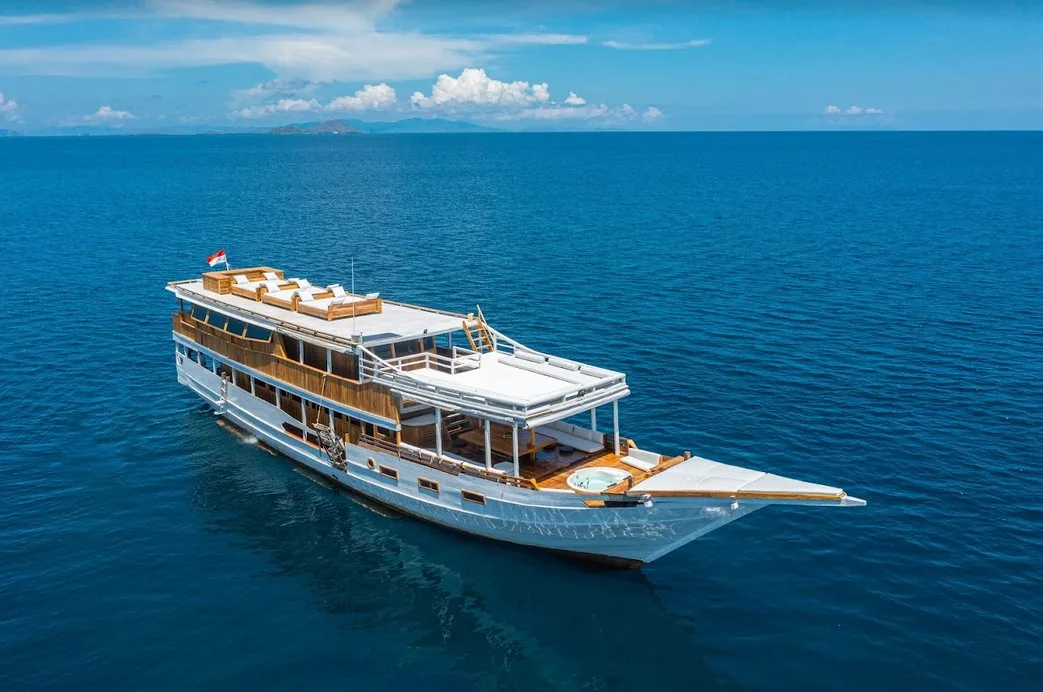
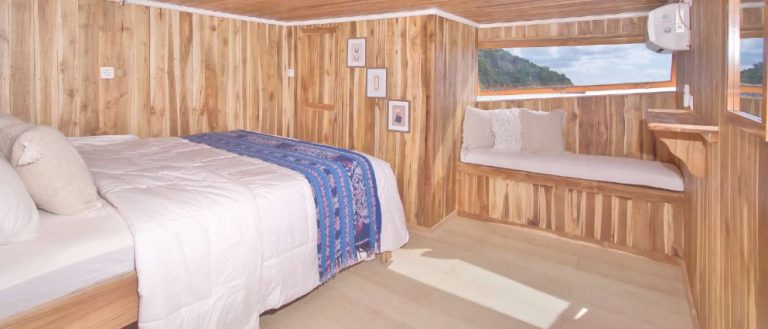
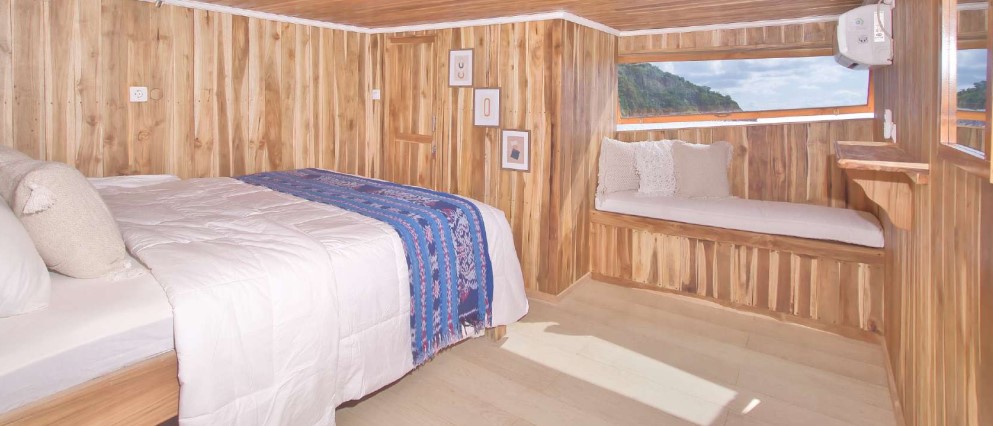
The interiors that distinguish Bali-built yachts are made largely off the waterfront, in joinery studios scattered through the island’s furniture and carving districts. Teak cabinetry, hand-cut veneer work, carved panels and marine-finished furniture flow from workshops trained by decades of villa and export-furniture commissions — and a builder’s real skill is managing that craft chain: selecting studios, translating drawings, controlling moisture and tolerances, and delivering villa-grade artistry that survives at sea.
Where the craft lives
Bali’s joinery economy predates its yacht trade by generations. The island’s furniture exporters, temple carvers and villa builders sustain thousands of woodworkers across districts from Denpasar’s workshops to the carving villages of the interior, working teak and regional hardwoods to standards that international buyers fly in for. When a yacht build needs a saloon table, a cabin suite or metres of fitted cabinetry, that existing ecosystem — not a yard shed — is where the work is usually placed.
This is the quiet structural advantage behind the island’s build quality: a yard in most boatbuilding countries must employ its finish carpenters; a Bali builder curates from a deep bench. How that curation works is part of what owners are buying — see our builder-selection guide.
From furniture-grade to marine-grade
A villa cabinet and a yacht cabinet are cousins, not twins. Marine joinery must survive movement, humidity swings and salt air: solid timber gives way to stable cored panels with veneers where weight matters; joints are designed for a structure that flexes; hardware is marine-spec; and every finish is chosen for UV and moisture rather than showroom light. The best Bali studios have learned these disciplines through repeat marine commissions — and part of a builder’s institutional knowledge is knowing which studios truly have.
Moisture control is the make-or-break detail. Timber acclimatised in a humid inland workshop will move when it meets an air-conditioned saloon, so serious builds specify kiln standards, sealed transport and on-board acclimatisation before final fitting. It is unglamorous, and it is the difference between joinery that stays perfect and doors that stick by the second season.
Carving: the signature Bali brings aboard
What no other build region offers at this depth is carving. Balinese relief work — panels, screens, frames, the details that make a saloon feel made rather than assembled — comes from a living tradition of temple and architectural carvers whose skills translate startlingly well to marine interiors when the substrate and finish are engineered for sea life. Owners typically commission a restrained signature: a carved headboard, a motif repeated on cabinet doors, a screen at the companionway, rather than wall-to-wall ornament.
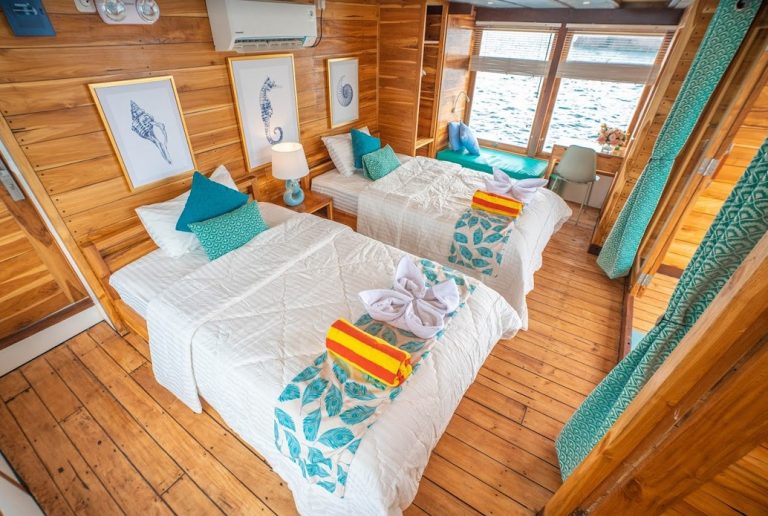
The design conversation matters here: motifs carry meaning, and good builders connect owners with carvers early so the boat’s details are chosen, not defaulted. The broader translation of island aesthetics to sea-going interiors is its own subject — explored in our companion piece on Balinese design language afloat.
Managing the chain: the builder’s real job
An interior involves many hands — joinery studio, carver, upholsterer, stone and glass suppliers, finishers — and the yard’s project team is the conductor. In practice that means: drawings translated into cut lists and jigs each workshop can execute; tolerances agreed in millimetres and checked with templates against the actual hull; staged deliveries so inland work meets waterfront installation in the right order; and a single quality gate before anything is fixed aboard.
Owners experience this as showroom sessions — samples on a bench, finishes in real light, trial fits in the boat — and as an interior that arrives on schedule instead of as a rolling apology. The management rhythm is the same one that governs the whole build, described across our project-management desk.
Frequently Asked Questions
Is Bali joinery really yacht-standard?
The island’s best studios work to international furniture-export standards and have learned marine disciplines through repeat commissions. Selection and supervision — the builder’s job — make the difference.
Can I visit the workshops making my interior?
Yes, and owners should — inland studio visits are a highlight of a supervised build and the best way to make finish decisions in real light.
Which timbers dominate Bali yacht interiors?
Teak leads for its stability and marine pedigree, supported by regional hardwoods and engineered panels where weight and movement control matter.
Does hand carving survive marine conditions?
Properly executed on suitable substrates with marine finishes, yes — the tradition adapts well when the engineering underneath is respected.
Give your interior the island’s hands
To see what Bali’s craft chain can make of your interior brief, contact the Bali Yacht Builder desk — WhatsApp +62 811-2859-0000 or [email protected].
Keep reading

Yard Life
Small Shipwright Workshops of Bali: Keeping Wooden Skills Alive
Behind Bali's headline yacht projects works a quieter tier: small shipwright workshops — often family crews of a handful of…
Yard Life
Balinese Design Language Afloat: Carving, Stone and Textile at Sea
Bali has a design language the world already recognises — carved timber, volcanic stone textures, hand-woven textiles, the calm geometry…

Yard Life
Sea Trials in the Badung Strait: Testing Grounds off Bali
Every boat built in south Bali proves itself in the same water: the Badung Strait, the channel between Bali and…