Updated: May 2026
Phinisi vs. Catamaran: Which is the Better Investment for a Bali Charter Business?
Bali Yacht Builder is a curated Indonesia luxury tourism experience offered by Bali Yacht Builder: handpicked routes, vetted operators, transparent pricing, and 24/7 concierge support across Indonesia.
- What makes Bali Yacht Builder a premium experience.
- How Bali Yacht Builder curates exclusive access and concierge logistics.
- Routes, seasons, and pricing transparency — no hidden fees.
Phinisi vs. Catamaran: Which is the Better Investment for a Bali Charter Business?
The Indonesian archipelago, with its 17,504 islands, presents one of the world’s most compelling luxury charter markets. For investors planning to enter this space, which saw over 4 million marine tourism visitors in 2023, the foundational question is not just where to build, but what to build. The decision often distils to a choice between two distinct vessels: the soulful, traditional Phinisi and the modern, pragmatic catamaran. This analysis moves beyond aesthetics to compare these platforms on the metrics that matter for a successful charter business, guided by the on-the-ground expertise of a premier Bali yacht builder.
The Allure of the Phinisi: Heritage and Charter Appeal
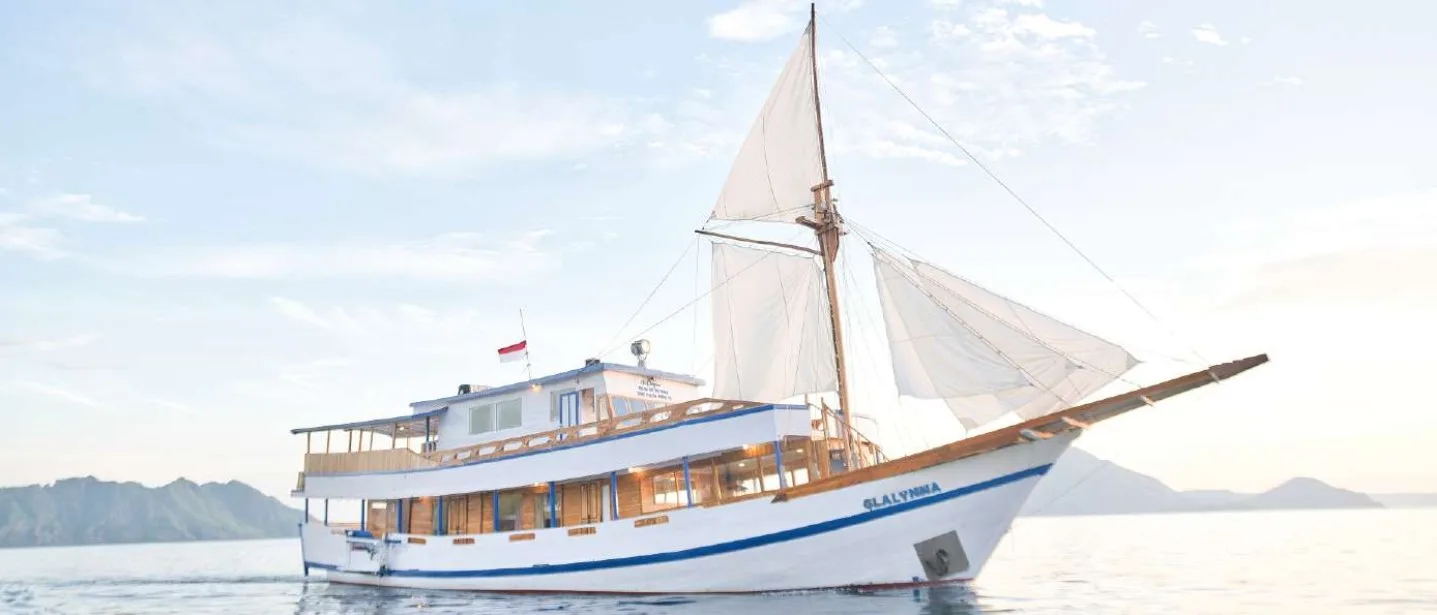
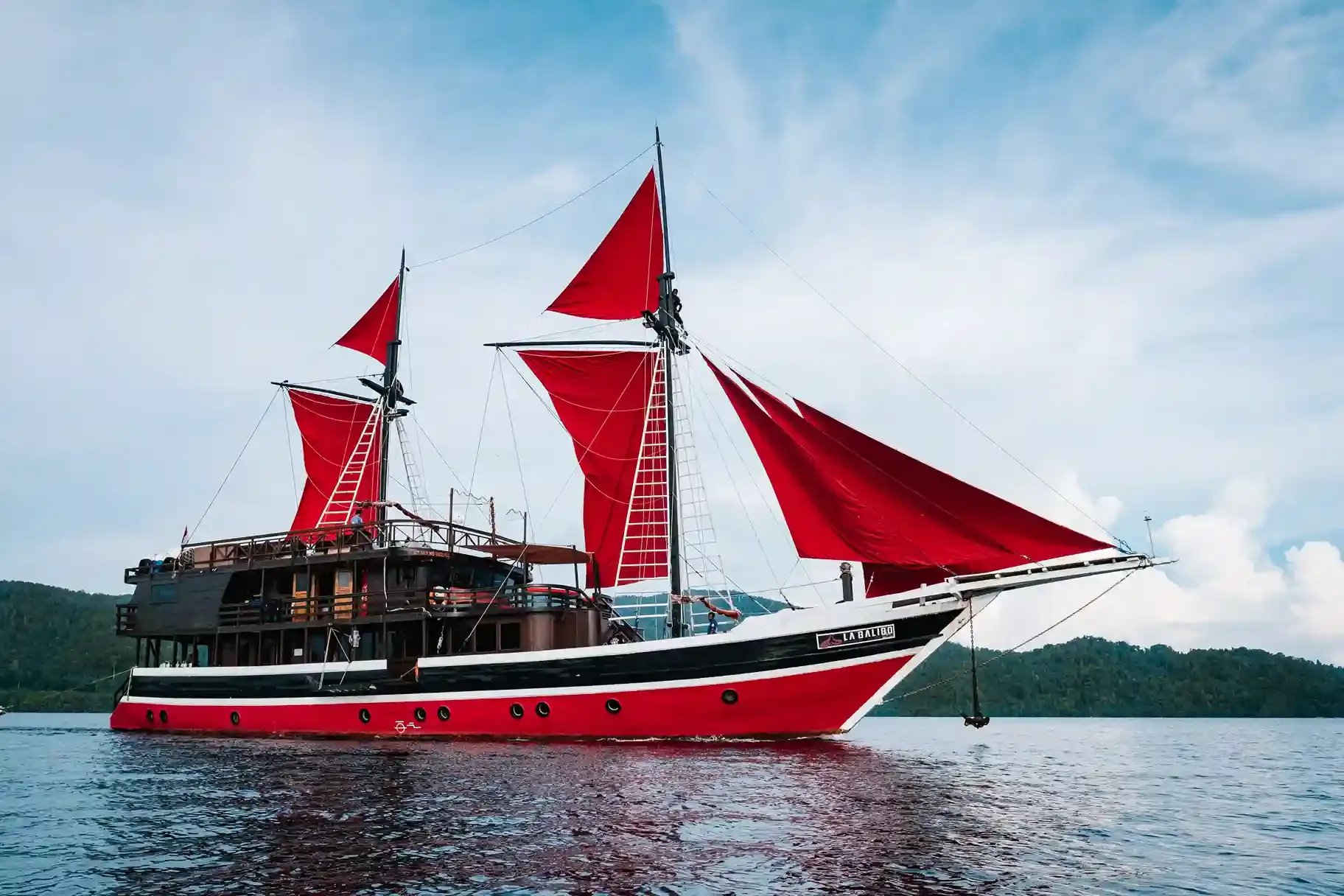
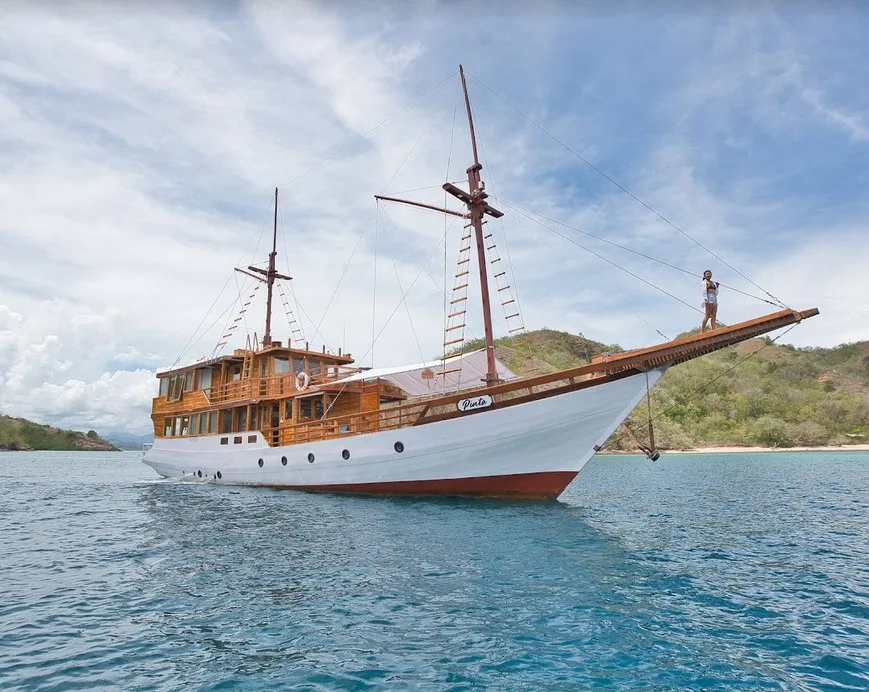
The Phinisi is more than a vessel; it is a floating piece of Indonesian heritage. Recognised by UNESCO on December 7, 2017, as a Masterpiece of the Oral and Intangible Heritage of Humanity, its origins lie with the Konjo boat builders of South Sulawesi. This historical gravitas, rooted in a shipbuilding tradition over 500 years old, is a powerful marketing tool. High-end charter guests are not merely booking a holiday; they are buying into a narrative of spice routes, ancient craftsmanship, and authentic adventure. A well-appointed Phinisi offers an experience that a standard motor yacht simply cannot replicate.
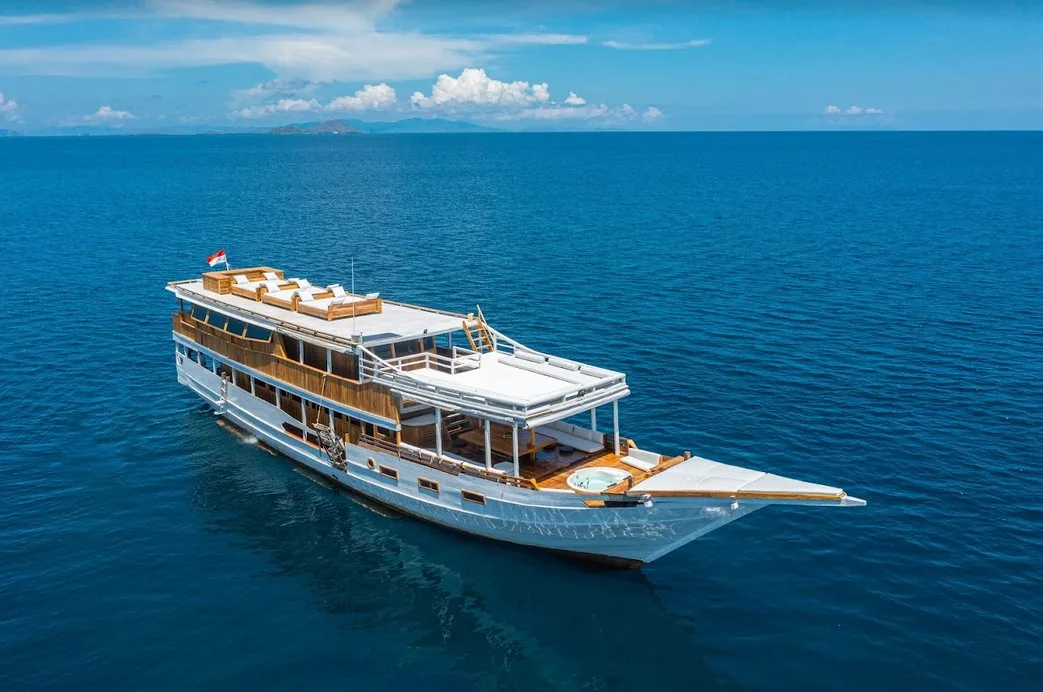
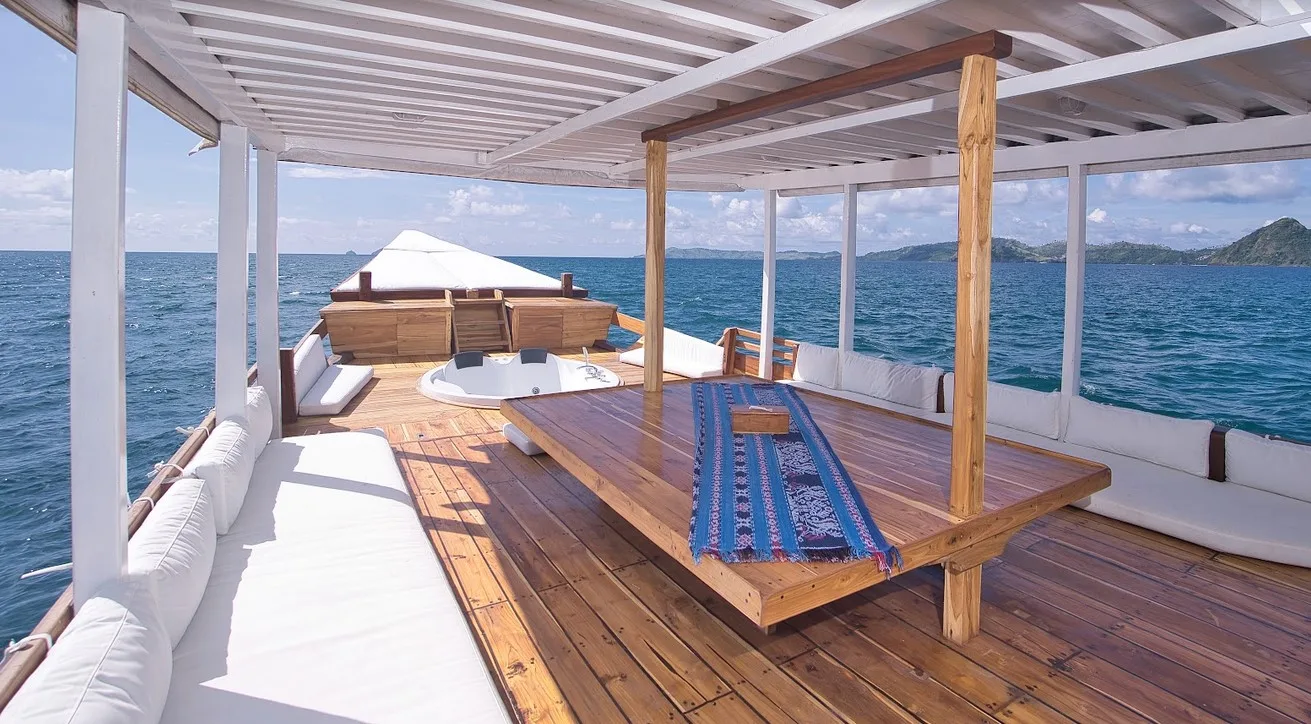
From a practical charter perspective, the design lends itself to communal luxury. Expansive, open-air decks, often exceeding 150 square meters, are perfect for sunrise yoga, alfresco dining, and soaking in the dramatic landscapes of Komodo or Raja Ampat. The single, deep hull provides a reassuringly stable and seakindly motion underway, cutting through swell rather than riding over it. For a clientele seeking disconnection and cultural immersion, the classic silhouette of a Phinisi at anchor is an unparalleled draw, commanding premium charter rates from $8,000 to $20,000 per night.
The Modern Edge of the Catamaran: Stability and Space
Where the Phinisi trades on romance, the catamaran delivers on pure, unadulterated space and stability. Its twin-hull design creates an exceptionally stable platform, reducing roll at anchor by as much as 80% compared to a monohull. This is a significant factor for guests new to yachting, as a 50-foot catamaran’s 28-foot beam provides a sense of solidity a monohull cannot match. In the calm anchorages of Indonesia’s cruising grounds, this stability translates directly into guest comfort, allowing for serene nights and steady meal services.
The wide beam of a catamaran unlocks vast living areas. The main saloon can be a panoramic, open-plan space flowing seamlessly into a protected aft cockpit. This layout is exceptionally well-suited to family groups or dive charters, providing multiple distinct social areas. Furthermore, the shallow draft of a catamaran, typically around 1.4 meters, grants access to secluded coves and reefs that a deeper 3.5-meter keeled Phinisi must avoid. This versatility, combined with up to 35% greater fuel efficiency under power, makes the catamaran a formidable choice for a modern charter fleet.
Operational Costs and Maintenance: A Realistic Comparison
An investor’s choice must be grounded in a pragmatic assessment of long-term operational expenditure. Traditional Phinisi construction, using hardwoods like ironwood (kayu ulin) which can cost over $2,500 per cubic meter, requires specialised maintenance. The timber hull demands annual haul-outs for inspection and re-caulking by shipwrights skilled in traditional methods to prevent issues with marine borers and ensure the vessel’s 50-plus-year lifespan. This is a commitment to a specific, and increasingly rare, skillset.
Modern catamarans, typically built from composite materials like fibreglass and resin-infused foam cores, offer a different maintenance profile. Repairs are often simpler, and the hulls are impervious to the pests that plague wooden boats. However, their complex systems—twin engines and extensive electronics—can require more technical expertise. A reputable Bali yacht builder will provide a transparent projection of upkeep costs, factoring in everything from an annual haul-out in Benoa, costing over $6,000 for a 60-foot vessel, to sourcing parts for European-made systems.
Market Demand and Target Clientele in Indonesia
The ideal vessel is one that aligns perfectly with a defined target market. A well-marketed Phinisi can achieve an occupancy rate of 25 weeks per year, attracting a discerning clientele willing to pay a premium for authenticity. They are magnets for high-net-worth individuals and specialist groups who value the experience over sheer volume, with all-inclusive 10-day charters in Raja Ampat regularly exceeding $100,000 for private groups. The marketing narrative is powerful and largely writes itself.
Catamarans, by contrast, appeal to a broader segment of the luxury market. Their spacious and private cabin layouts are ideal for multi-generational families or groups of friends. The stability and easy water access make them the platform of choice for serious dive charters exploring the Coral Triangle. While the charter rate per guest might be slightly lower than a top-tier Phinisi, the wider appeal can lead to higher occupancy rates throughout the season.
Construction Timeline and Logistics: Bali vs. Sulawesi
Traditionally, Phinisi construction is synonymous with the beaches of Bira and Tanah Beru in Sulawesi. While the craftsmanship there is legendary, the remote location presents significant logistical challenges for a modern luxury build. Importing engines, generators, navigation systems, and high-end finishing materials can be slow and fraught with complexity. For an owner or investor, project oversight becomes a difficult and expensive endeavour.
This is precisely where building in Bali offers a decisive advantage. Shipyards in the Benoa and Serangan areas benefit from proximity to an international airport and mature supply chains. A professional Bali yacht builder can seamlessly integrate traditional hull construction with state-of-the-art systems installation, managed to international standards. This hybrid approach, combining the best of Indonesian artistry with Western project management, de-risks the investment and often shortens the overall build timeline.
Making the Right Choice with a Bali Yacht Builder
Ultimately, there is no single “better” investment. The optimal choice depends entirely on the investor’s business model. A boutique, high-yield operation targeting connoisseurs of culture may find its greatest return with a Phinisi. A business focused on volume, versatility, and the family market will likely find the catamaran a more robust and scalable platform.
The most critical decision is not the vessel type, but the partner chosen to build it. An expert Bali yacht builder acts as a strategic consultant, not just a contractor. We provide detailed financial modelling, market analysis, and transparent project management from the first sketch to the final sea trial. Our editorial standards and rigorous vetting of suppliers ensure that whether you choose the path of heritage or the path of modernity, your asset is built for longevity and profitability in Indonesia’s dynamic charter market.
Begin the Conversation
To discuss the specific financial modelling and construction parameters for your charter yacht investment, we invite you to contact our project management team. A detailed consultation can illuminate the best path forward for your vision. Please reach out to our business development desk at bd@juaraholding.com or via WhatsApp on +62 811-3941-4563 to schedule an introductory call.
Frequently Asked Questions
What is the typical build time for a custom phinisi in Bali?
A custom luxury Phinisi, from keel-laying to final fit-out, typically takes between 18 to 24 months. This timeline can vary based on the vessel’s size, complexity of interior design, and the sourcing of specific imported systems. A key advantage of building in Bali is the streamlined logistics, which helps adhere to projected timelines more reliably than in more remote locations.
Are catamarans more fuel-efficient than phinisis?
Generally, yes. Under power, a catamaran’s two slender hulls create less drag than a single, wide monohull, resulting in better fuel economy at cruising speeds. This can translate into significant operational savings over the life of a charter business. However, a Phinisi is also a true sailing vessel, and under the right wind conditions, it can travel great distances with minimal engine use.
How does Bali Yacht Builder ensure quality control?
We implement a multi-stage quality assurance process. This includes employing an independent surveyor for key construction milestones, rigorous testing of all materials, and utilising an international team of project managers who oversee everything from the lamination and welding to the final interior finishing. Our proximity to the shipyards in Benoa allows for daily, hands-on supervision, ensuring adherence to the highest standards.
Can I use my own interior designer for the project?
Absolutely. We encourage and welcome collaboration with our clients’ preferred architects and interior designers. Our role is to facilitate their vision, providing the technical expertise to ensure their designs are flawlessly integrated into the vessel’s structure and systems. We act as the bridge between your designer’s creative concept and the practical realities of marine construction.
What are the key differences in crew requirements?
Phinisis traditionally require a larger crew, partly due to the demands of handling their extensive rigging and sails, and also to deliver the high-touch service expected on such vessels. A catamaran of a similar guest capacity can often be operated with a smaller, more versatile crew. We can provide detailed operational pro-formas for both vessel types to help you model crewing costs accurately.
Which vessel type typically has a better resale value?
Both vessel types can have strong resale value if properly built and maintained. Custom Phinisis, being unique works of art, often appeal to a niche market of passionate buyers and can hold their value exceptionally well. Catamarans have a broader global market, making them potentially easier to sell. The most critical factor for resale value, however, is the quality of the initial build.
Do you handle vessel registration and flagging?
Yes, we provide comprehensive support for the entire flagging and registration process. Navigating the Indonesian maritime bureaucracy can be complex. Our team has the experience to manage all necessary paperwork for commercial charter registration (or private flagging, if preferred), ensuring your vessel is fully compliant with local and international regulations from the moment it is launched.
Why is building in Bali better than Europe for an Indonesian charter?
Building in Bali offers several strategic advantages for a vessel intended for Indonesian waters. You gain access to unparalleled local craftsmanship for timber work, significantly lower labour costs, and avoid the immense expense and time of delivering a yacht from Europe. A Bali yacht builder provides the perfect synthesis: cost-effective Indonesian construction managed to a European standard of quality and oversight.
What are the primary hull materials you work with?
For Phinisis, we honour tradition by using sustainably sourced Indonesian hardwoods like ironwood and teak for the hull and superstructure. For catamarans and modern motor yachts, we specialise in advanced composite construction, including fibreglass, vinylester or epoxy resins, and foam or honeycomb cores. We also have full capabilities for steel and aluminium construction, depending on the project’s engineering requirements.
How does the payment schedule for a new build work?
The payment structure is based on milestone achievements, ensuring transparency and security for the client. It typically begins with an initial deposit to secure a build slot and commence design engineering. Subsequent payments are tied to specific, verifiable construction stages, such as keel-laying, hull completion, engine installation, and final launch. Each payment is signed off against a satisfactory survey report.