Bali Yacht Builder
Skip to content

5 Key Factors That Determine the Cost to Build a Custom Yacht in Bali

Updated: May 2026

5 Key Factors That Determine the Cost to Build a Custom Yacht in Bali

Bali Yacht Builder is a curated Indonesia luxury tourism experience offered by Bali Yacht Builder: handpicked routes, vetted operators, transparent pricing, and 24/7 concierge support across Indonesia.

  • What makes Bali Yacht Builder a premium experience.
  • How Bali Yacht Builder curates exclusive access and concierge logistics.
  • Routes, seasons, and pricing transparency — no hidden fees.

5 Key Factors That Determine the Cost to Build a Custom Yacht in Bali

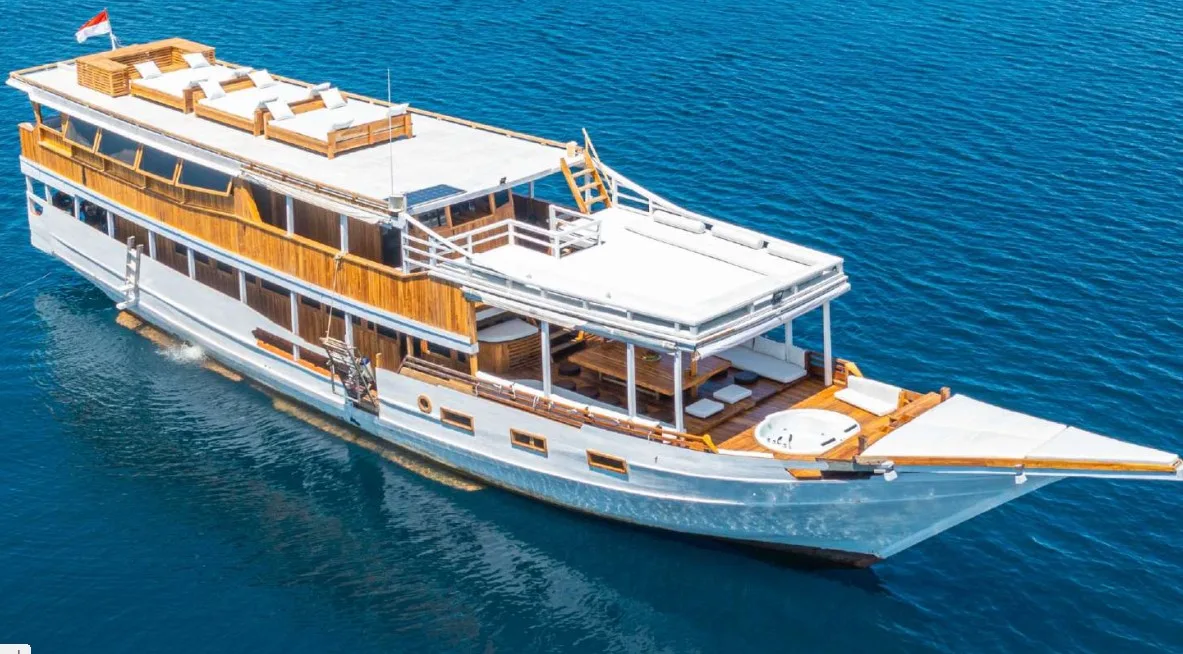
Embarking on the journey of commissioning a custom yacht is a significant undertaking, an investment in both a tangible asset and an unparalleled lifestyle. For discerning investors and charter operators targeting Indonesia’s 17,504 islands, understanding the financial architecture of such a project is paramount. As a leading Bali yacht builder, we believe in transparency. The final cost is not a single figure but a complex mosaic of critical decisions, with completed Phinisi projects typically ranging from $800,000 to over $5 million.

Hull Material: The Foundation of Your Vessel

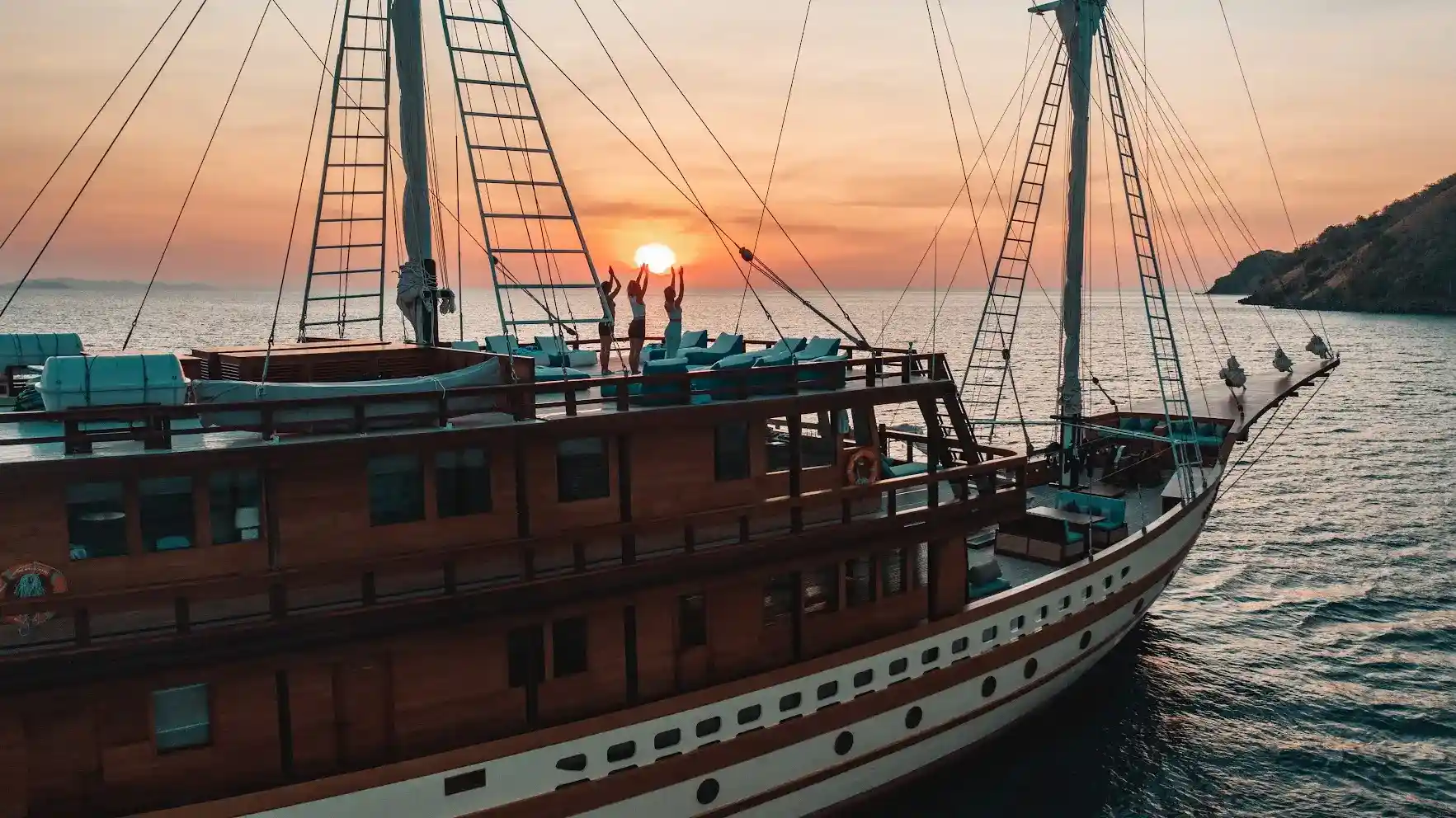
The choice of hull material is the first, and arguably most fundamental, decision that shapes the budget. In Indonesia, the legacy of the Phinisi schooner places traditional hardwoods at the forefront. Ironwood (Kayu Ulin) from Kalimantan is revered for its incredible density of up to 1.1 tons per cubic meter and resistance to the tropical marine environment, forming the backbone of vessels built to last for over 50 years. Teak (Kayu Jati) offers a beautiful, workable alternative. While these timbers represent a significant upfront investment, their longevity is unmatched.

Conversely, modern composites and metals offer different advantages. Fibreglass (GRP) allows for more complex hull shapes and can reduce production times by as much as 25-30%, often resulting in a lower initial cost. For performance-oriented catamarans, marine-grade 5083 aluminium provides an excellent strength-to-weight ratio, while steel remains the material of choice for larger, full-displacement expedition yachts over 40 meters requiring maximum durability. An experienced Bali yacht builder will guide you through the trade-offs in cost, maintenance, and performance inherent in each material.

Size and Complexity: From Day Cruisers to Expedition Yachts

The most apparent cost driver is the vessel’s overall size, typically measured in Length Overall (LOA). However, the cost does not scale linearly; it increases exponentially. A 35-metre yacht is not simply twice the price of a 17.5-metre one; due to the cubic increase in volume (Gross Tonnage), it can be four to five times more expensive. This demands more materials, larger systems, and significantly more labour hours from the skilled craftsmen at our shipyards in areas like Tanjung Benoa, located just 15 kilometres from Bali’s main international airport.

Beyond sheer size, design complexity plays a crucial role. A minimalist day charter catamaran will have a vastly different cost structure to a tri-deck Phinisi designed for trans-oceanic voyages of over 3,000 nautical miles. Intricate design features, such as multiple decks, complex rigging, or advanced stabilisation systems, add layers of engineering and cost. For example, installing a single gyroscopic stabilizer unit can add between $80,000 and $200,000 to the budget, reflecting our role in balancing ambitious design with practical construction.

Interior Fit-Out and Luxury Appointments

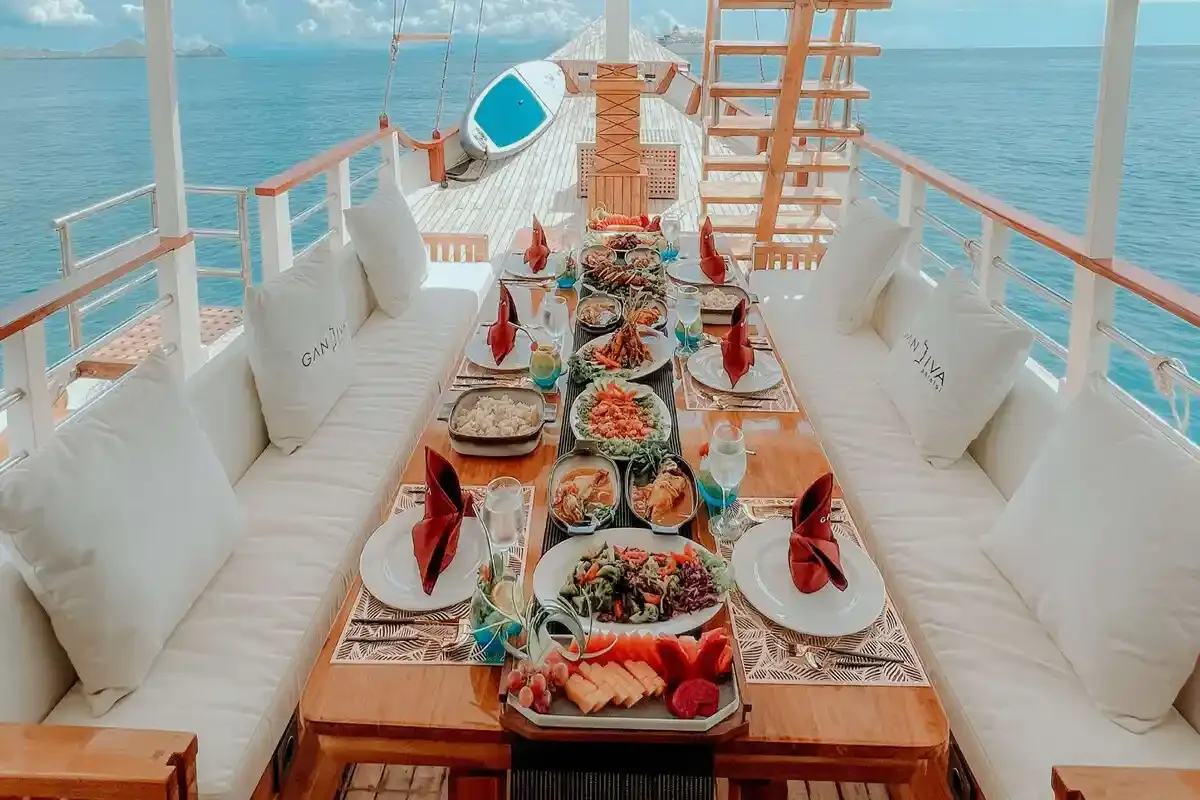
The interior is where a yacht transitions from a vessel into a private sanctuary, and this is where the budget can vary most dramatically, often accounting for 30-40% of the total project cost. The level of customisation and the quality of materials selected for the fit-out define the onboard experience. The spectrum runs from durable, marine-grade laminates suitable for a high-turnover charter fleet to the highest echelons of bespoke luxury, like hand-stitched Italian leather, for a private owner.

This stage involves selecting everything from the timber for the joinery to the stone for the countertops, where imported Italian marble can cost over $400 per square meter. Leveraging Bali’s unique position, we can incorporate hand-carved panels from the artisan village of Mas, located just 10 kilometres south of Ubud, and other locally sourced materials alongside the world’s finest imported brands. A premier Bali yacht builder orchestrates this symphony of suppliers to create an exquisitely finished interior that aligns with your vision and budget.

Propulsion and Onboard Systems

The heart of any modern yacht lies in its machinery and integrated systems. The propulsion package alone is a major cost centre, where a pair of 715hp Caterpillar C12.9 diesel engines can represent an investment of over $150,000. The choice between manufacturers, the number of engines, and the propulsion system are all determined by the vessel’s intended use, directly impacting factors like cruising speed and fuel consumption, which can average 120 litres per hour for a 25-metre vessel.

Essential yacht systems are the integrated components beyond propulsion that ensure a vessel’s safety, comfort, and self-sufficiency during extended voyages. We specify and install critical equipment including generators producing over 25 kW of electrical power, sophisticated navigation suites from brands like Garmin or Simrad, and high-capacity water makers. Environmental systems, such as advanced wastewater treatment plants, are now a necessity for responsible cruising in pristine areas like Raja Ampat.

Regulatory Compliance and Classification

Building to class is the non-negotiable process of constructing a vessel to meet rigorous international standards, ensuring it is safe, seaworthy, and insurable. Classification societies like RINA, Bureau Veritas, or the local Biro Klasifikasi Indonesia (BKI) set hundreds of specific rules for design, materials, and construction methods. Adhering to these standards, which can add 5-10% to the total build cost, is essential for any vessel intended for commercial charter.

Achieving classification involves detailed plan approvals, material certifications, and regular inspections by a society surveyor throughout the build process. While this adds a layer of administrative and engineering cost, it provides critical third-party verification of quality and safeguards the yacht’s long-term asset value. Navigating the complexities of maritime regulations is a core competency of a professional Bali yacht builder, providing peace of mind for B2B clients and private owners alike.

Frequently Asked Questions

Why choose a Bali yacht builder over a traditional Sulawesi shipyard?

Choosing Bali offers significant logistical advantages for international clients. With its world-class infrastructure, international airport, and community of marine specialists in the Benoa area, project oversight is far simpler. Bali provides closer proximity for management teams, superior supply chains for imported equipment, and a higher standard of living for visiting project managers, creating a more efficient and transparent build environment compared to more remote locations.

How long does it take to build a custom yacht in Bali?

The timeline varies significantly with size and complexity. A 15-20 metre catamaran might take 12-18 months, while a larger, highly customised 30-40 metre Phinisi could require 24-36 months from contract signing to handover. Our project management process involves creating a detailed construction schedule with clear milestones to ensure timely progress and clear communication throughout the build.

What is the primary advantage of a traditional ironwood (Ulin) hull?

Ironwood’s primary advantage is its exceptional durability and natural resistance to marine borers and rot, especially in tropical waters. It is one of the densest woods in the world, resulting in an incredibly strong and long-lasting hull. While heavier than modern composites, its longevity is proven, with many Phinisi vessels built from Ulin still operating commercially after more than 30 years of service.

Can I use my own naval architect and interior designer?

Absolutely. We frequently collaborate with international naval architects and design studios chosen by our clients. Our role as the builder is to execute their vision to the highest standard, providing local expertise on materials, labour, and regulatory navigation. We facilitate a seamless partnership between the design team and our on-site construction crew at our Benoa shipyard.

How is quality control managed during the build process?

Quality control is a multi-layered process. It begins with vetting all materials and is followed by our dedicated on-site foremen and project managers overseeing every stage of construction. For classed vessels, independent surveyors from societies like RINA or BKI conduct regular inspections. We also encourage and facilitate frequent site visits from the owner or their representative to ensure complete transparency.

What are the typical payment milestones for a new build?

A new build contract is typically structured with several payment milestones tied to construction progress. This usually includes an initial deposit upon signing the contract, followed by payments upon key stages such as keel laying, hull completion, engine installation, interior fit-out commencement, and final payment upon successful sea trials and handover.

Do you assist with vessel registration and flagging?

Yes, we offer comprehensive support for the administrative side of yacht ownership. We can guide you through the process of flagging the vessel in Indonesia or an international registry of your choice. Our team assists with the necessary documentation, surveys, and legal formalities to ensure your vessel is properly registered for private or commercial use.

Are imported marine systems subject to high taxes in Indonesia?

Indonesia has specific import duties and taxes on marine equipment. However, as an established shipyard, we have streamlined processes and relationships with logistics partners to manage importation efficiently. We provide clear costings that include all duties and taxes, ensuring there are no financial surprises and that all equipment is cleared legally and correctly.

What kind of warranty is provided on a new build?

We provide a comprehensive builder’s warranty on all new vessels. This typically covers the structural integrity of the hull for a period of several years and a 12-month warranty on all systems and components installed by our team. The specific terms are detailed in the build contract, providing clients with security and peace of mind.

How do you manage communication with international clients?

Clear and consistent communication is vital. We assign a dedicated, English-speaking project manager to each build. Clients receive regular progress reports with detailed photographs and written updates. We utilise video conferencing for meetings and are always available to host clients or their representatives for site inspections at our facilities in Bali.

Begin the Conversation

Understanding these key factors is the first step towards commissioning your vessel. The true cost is a reflection of your unique vision, operational needs, and desired level of quality. To discuss the specifics of your project and receive a preliminary assessment from an expert Bali yacht builder, we invite you to contact our team. Please reach out to our business development desk at bd@juaraholding.com or via WhatsApp at +62 811-3941-4563 to schedule an initial consultation.

As featured in
Conde Nast Traveler Travel + Leisure Robb Report Forbes Bloomberg
Member of Indonesia Travel Industry Association  ·  ASITA  ·  Licensed Indonesia tour operator (Kemenparekraf RI)
💬