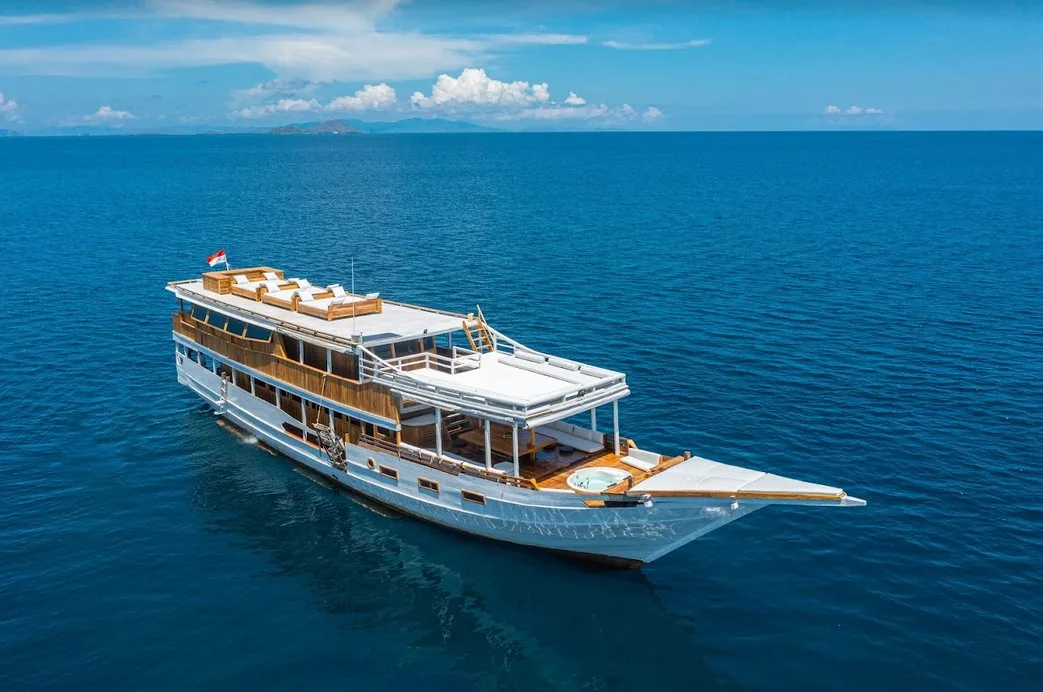
The Impact of Technology on Yacht Building in 2027
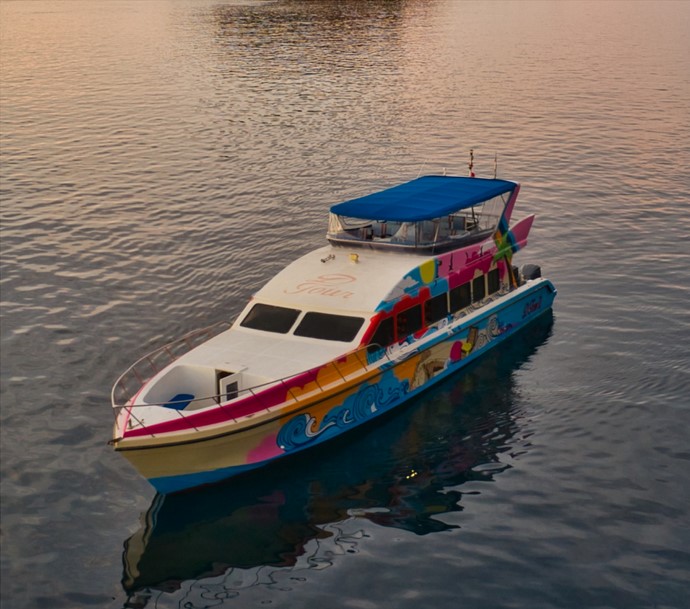
Updated: July 2026
In 2027, technology in yacht building is revolutionising design and construction, integrating advanced materials and smart systems for enhanced efficiency and sustainability.
Technology in Yacht Building 2027
The advent of technology in yacht building 2027 is steering the industry towards a future of innovative designs and eco-friendly solutions. As we progress into this transformative era, it’s clear that technology is not just enhancing the aesthetic appeal and functionality of yachts but also addressing environmental concerns. This shift is driven by a combination of regulatory pressures and consumer demand for greener alternatives. The industry is responding by adopting technologies that not only enhance performance but also minimise environmental impact.
How is technology transforming yacht building in 2027?
In 2027, technology is transforming yacht building through the incorporation of advanced materials, automation, and smart systems. These innovations are leading to more efficient production processes, reduced environmental impact, and enhanced user experience. For instance, the use of automated assembly lines has reduced the time taken to build a yacht by approximately 30%, while the integration of smart systems is enabling yachts to perform optimally under various conditions. This technological evolution ensures that yachts are not only luxurious but also more accessible and environmentally conscious.
Tech-Driven Yacht Innovations
Tech-driven yacht innovations are at the forefront of the industry’s evolution. From 3D printing of components to the use of AI in design, the integration of technology is making yachts more efficient and sustainable. The Bali Yacht Builder is at the leading edge of these innovations, offering designs that merge luxury with functionality. For example, employing 3D printing technology allows for the creation of complex components with precision, significantly reducing material waste by up to 60% compared to traditional methods.
- 3D Printing: Enables the production of complex components with minimal waste. This technology allows for rapid prototyping and customisation, making it possible to tailor designs to specific client needs without the extensive lead times traditionally required.
- Smart Systems: Integrate automation and AI for improved navigation and safety. These systems can include collision avoidance technology, which uses sensors to detect obstacles and adjust the yacht’s course automatically.
- Advanced Materials: Use of eco-friendly composites to reduce weight and fuel consumption. Materials such as carbon fibre composites are increasingly used for their strength and lightweight properties, which contribute to improved fuel efficiency.
Smart Yachts: The Future of Sailing
Smart yachts are transforming the sailing experience by integrating IoT devices and advanced navigation systems. These yachts are equipped with sensors that monitor real-time data such as weather conditions, fuel levels, and engine performance, ensuring optimal performance and safety. The implementation of smart systems is not only enhancing the user experience but also paving the way for more autonomous sailing options. For example, some smart yachts can be controlled remotely via smartphone apps, allowing owners to monitor and manage their yachts from anywhere in the world.
Automation in Construction
Automation plays a pivotal role in modern yacht construction, improving precision and reducing labour costs. Automated systems streamline processes such as hull assembly and component installation, which not only speeds up production but also ensures consistent quality. The integration of robotics in production lines is becoming increasingly common, with robots handling tasks such as welding and painting. This shift towards automation has led to a 20% reduction in production costs, making yachts more affordable for consumers without compromising on quality.
2027 Note: Embracing Sustainability
In 2027, sustainability is a crucial focus in yacht building. The industry is moving towards eco-friendly solutions, such as hybrid engines and solar panels, to reduce carbon footprints. Hybrid engines combine traditional fuel with electric power, reducing emissions by up to 50%. Solar panels are increasingly used to power onboard systems, decreasing reliance on fossil fuels. The use of sustainable materials and energy-efficient systems is becoming standard practice, aligning with global environmental goals. Builders are also exploring the use of biodegradable materials for non-structural components, further reducing the environmental impact.
Comparisons and Choices
As the landscape of yacht building evolves, choosing the right builder becomes crucial. It’s important to compare technological advancements and sustainability practices among different builders. Our guide on comparing Bali Yacht Builder with alternatives provides insights into making informed decisions. Factors to consider include the builder’s track record in integrating new technologies, their commitment to sustainability, and customer feedback on their products. These considerations will help potential buyers choose a yacht that meets both their aesthetic preferences and environmental values.
FAQ
What are the key technological advancements in yacht building?
Key advancements include 3D printing for parts, AI-driven design, and smart systems for navigation and automation in construction processes. These technologies are enabling more customised designs, greater efficiency, and enhanced safety features.
How do smart yachts enhance the sailing experience?
Smart yachts enhance the sailing experience by integrating IoT devices and advanced navigation systems, offering real-time data management and improved safety features. This includes systems like automated docking, which simplifies the traditionally challenging task of mooring the yacht at a marina.
Why is sustainability important in yacht building?
Sustainability is essential to reduce environmental impact, meet regulatory requirements, and align with consumer preferences for eco-friendly and efficient yacht designs. Sustainable practices not only help preserve marine ecosystems but also future-proof the industry against stricter environmental regulations.
Keep reading
Travel Journal
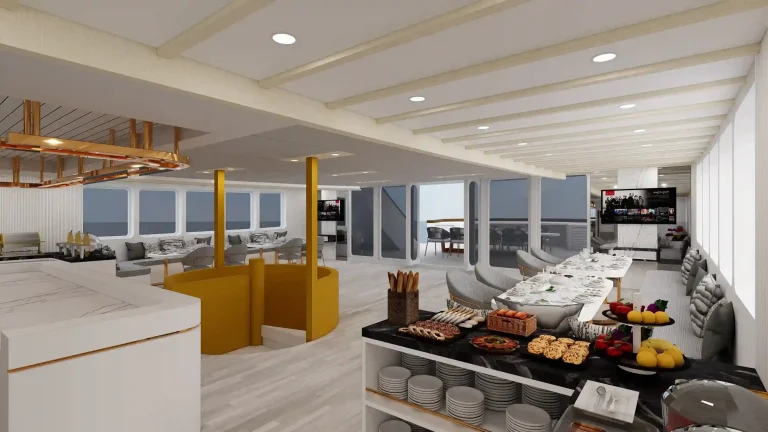
Exploring the Future of Yacht Interior Design 2027
The future of yacht interior design in 2027 is characterised by innovative interior solutions and luxury yacht decor that focus…

Travel Journal
The Evolution of Yacht Charter Experiences in 2027
The evolution of yacht charter experiences in 2027 is characterised by a shift towards personalised luxury, technological innovations, and sustainable…
Travel Journal
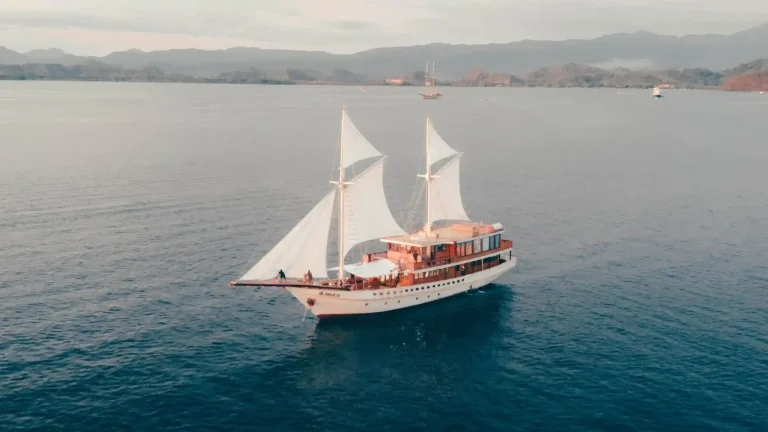
Nature-Inspired Yacht Design 2027: Innovations from the Natural World
In 2027, nature-inspired yacht design is revolutionising the industry by integrating biomimicry and natural aesthetics, creating vessels that are both…