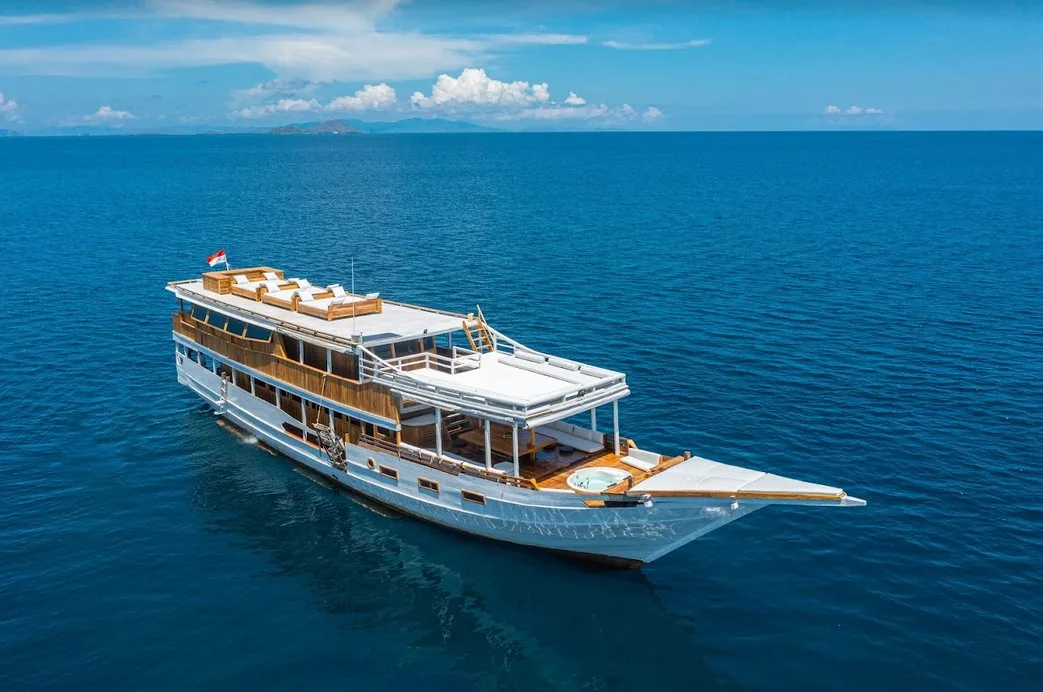
Catamaran Builder Bali: From Benoa Design Studio to Sulawesi Yard
Updated: August 2026
Ask where Indonesian catamarans are built and you get a two-part answer: they are conceived in Bali and constructed, more often than not, in Sulawesi. Understanding that split — and why it exists — is the single most useful thing a prospective owner can learn before commissioning a boat. This guide walks the whole route: the Benoa design studio, the yard, the materials question, the money, and the day the finished catamaran arrives back in Bali.
Why Catamaran Projects Start in Bali
Bali concentrates the parts of a build that need the owner in the room. Design offices, naval architects and interior studios cluster around Benoa and Sanur because that is where clients can fly in, review drawings, walk comparable boats and sign off samples in person. Benoa’s harbour adds the logistics layer: imported equipment clears here, surveyors and class representatives are available, and delivered vessels can be commissioned, berthed and handed over without another sea passage. The island functions as the project’s front office even when no hull is laminated on it.
Design in Bali, Build in Sulawesi: How the Workflow Splits
The standard workflow locks the design package first: hull lines, structural engineering, systems schematics and the interior drawing set, produced and approved in Bali. Construction then moves to Sulawesi, where yard labour, timber and composite supply chains, and launch-capable waterfront keep build costs meaningfully below what the same hull would absorb if built on Bali’s crowded coastline.
The split cuts cost without cutting class because supervision is built into the contract rather than left to distance. A typical project runs staged sign-offs: the owner’s representative or the design office inspects at hull closure, systems installation, pre-launch and sea trials, and photographic reporting fills the weeks between. The discipline lives in the paperwork — an approved drawing set, a milestone schedule and an inspection regime — not in where the owner happens to stand.
Choosing the yard is part of the design phase, not an afterthought. A good design office will shortlist two or three Sulawesi yards against the project — checking recent launches of comparable size, current workload, covered building space and who actually leads the shop floor — and will price the same drawing set at each. Owners who skip that comparison usually discover the cost of it at the systems-installation stage, where yard experience shows most.
Material Choices for Tropical Waters
Three hull materials dominate Indonesian catamaran building, and each suits a different mission. FRP (fiberglass) is the mainstream choice: modern vinylester and epoxy resins resist osmosis in warm water, repairs are straightforward anywhere in the archipelago, and one-off builds are practical with infused panels even without production moulds. Wood-composite — timber cores sheathed in epoxy and glass — plays to Indonesia’s deep carpentry skill base, delivers a stiff, quiet hull, and keeps one-off costs competitive, provided the epoxy sheathing is executed without compromise. Aluminium suits expedition profiles: it shrugs off reef contact and remote-area abuse, but the pool of yards with certified welders is narrower and galvanic corrosion management in tropical marinas needs to be engineered from day one, not retrofitted.
The honest advice: choose the material after the mission profile is written, not before. A charter day-boat, a family cruiser and a dive platform point to three different answers — and resale matters too: FRP resells to the widest audience in Indonesia, while aluminium finds fewer but more specific buyers.
Timeline and Payment Milestones, Keel to Delivery
A Bali-commissioned catamaran typically moves through six financial gates: contract signing with a mobilisation payment, hull lamination or keel-laying, hull closure with bulkheads fitted, systems and deck hardware installation, launch with builder’s trials, and final delivery after owner’s sea trials. Tie every payment to a milestone that can be inspected and photographed, hold a retention against the defects list, and put the schedule in the contract alongside the specification — the two documents discipline each other. Owners planning larger or fully bespoke hulls can compare how the same milestone structure is applied to custom boat construction in Indonesia at our group’s national services desk.
After Delivery: Benoa, the First Season and Beyond
Delivery is a beginning, not an end. The first season shakes out warranty items, calibrates systems and teaches the crew the boat, and it goes far better with the vessel based somewhere the builder and suppliers can reach it. Most owners keep a new catamaran at Benoa or Serangan for that first year; our notes on berthing options at Bali’s new harbor cover what capacity looks like on that side of the island. Once the defects list closes, the boat is free to range — Komodo, Raja Ampat, or a managed charter program that puts the asset to work.
To discuss a catamaran project — design brief, yard selection or a build already in progress — message us on WhatsApp +62 811-2859-0000 or [email protected].
BaliYachtBuilder.com is part of the Juara Holding Group network of Indonesian marine companies.
Frequently Asked Questions
Can you build a catamaran in Bali?
The design phase happens in Bali — naval architecture, engineering and interior packages are produced in Benoa and Sanur studios — but most hulls are constructed at Sulawesi yards, where labour and materials keep costs down. The finished boat is delivered back to Bali for commissioning and handover.
What hull materials do Bali-commissioned catamarans use?
FRP (fiberglass) is the mainstream choice for warm-water durability and easy repair; wood-composite suits owners who want Indonesian carpentry skill in a stiff, epoxy-sheathed hull; aluminium fits expedition use where reef contact and remote cruising are expected. The mission profile should decide the material.
How are payments structured on an Indonesian catamaran build?
Through inspectable milestones: contract mobilisation, hull lamination or keel-laying, hull closure, systems installation, launch with builder’s trials, and delivery after the owner’s sea trials — with a retention held against the defects list. Every payment should map to a milestone that can be verified in person or photographically.
Where should a new catamaran be based after delivery in Bali?
For the first season, near the builder’s reach — Benoa or Serangan — so warranty items and system calibration can be handled quickly. After the defects list closes, owners typically reposition for cruising or place the boat into a managed charter program.
Keep reading
Uncategorized
Komodo Yacht Charter Before You Build: 2026 Owner’s Guide
The fastest way to pressure-test a custom phinisi design is to charter a proven one first. A weekend Komodo yacht…
Build Guides
2027 Bali Building Outlook: Catamarans Rise, Phinisi Endure
Bali enters 2027 with its boatbuilding order books in the healthiest shape of the decade. Four currents define the outlook:…
Cost & Decisions
Pricing a Bali Custom Build: Labour, Materials and the Island Premium
The price of a custom build in Bali is set by four forces: labour (the island's skilled rates are competitive…