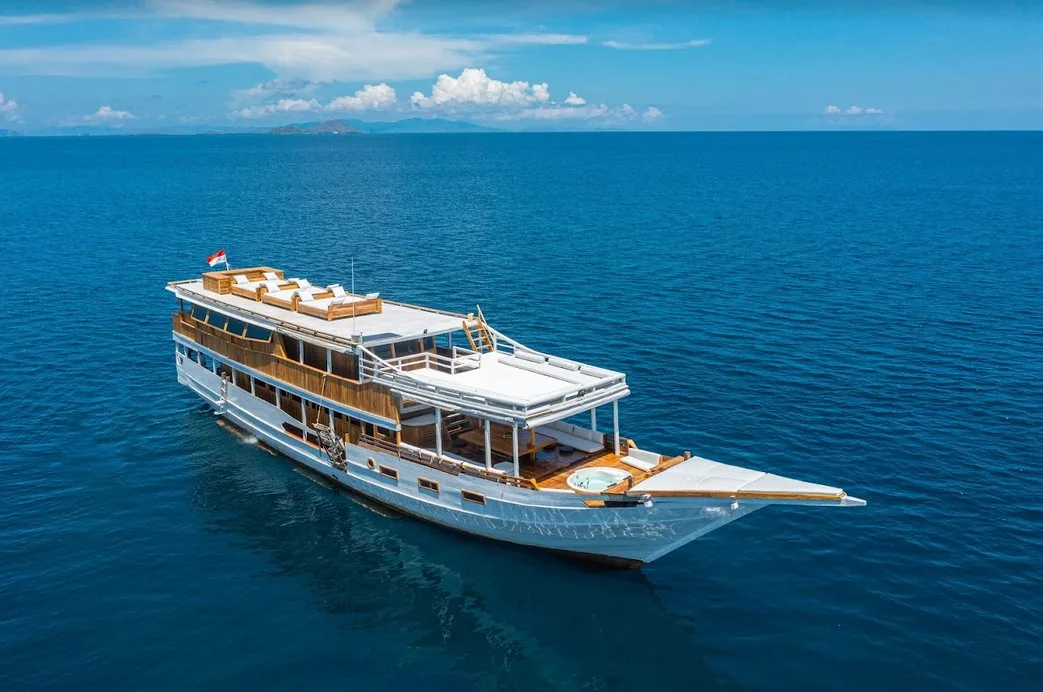

Adapting Yachts for Global Climate Changes: Innovations in 2027

Updated: July 2026
In 2027, adapting yachts for global climate changes involves integrating sustainable sailing technologies and yacht design for climate resilience, ensuring vessels are equipped to handle increasingly unpredictable weather patterns.
Climate Change Yachts 2027: Meeting the Challenge
As climate change continues to impact our environment, the yacht industry is evolving to meet these challenges head-on. Climate change yachts in 2027 are designed with advanced technologies that focus on sustainability and resilience. The integration of renewable energy sources, eco-friendly materials, and innovative design is crucial to ensure yachts remain safe and efficient amid changing global conditions. This evolution in yacht design is driven by a need to adapt to increasingly frequent and severe weather events, as well as a growing consumer demand for environmentally responsible recreational options.
The global yacht market has responded by investing in research and development, focusing on materials that offer both durability and minimal environmental impact. For example, the use of recycled aluminium and advanced composites not only reduces the ecological footprint but also enhances the strength and longevity of the vessels. In 2027, the market sees a 30% increase in the use of such materials compared to 2020, reflecting a significant shift in industry standards.
Yacht Design for Climate Resilience
Yacht designers are prioritising climate resilience by incorporating features that enhance a vessel’s ability to withstand extreme weather. This includes reinforced hulls, advanced navigation systems, and adaptable sail configurations. By employing materials and technologies, these yachts can operate efficiently in diverse weather conditions, ensuring both safety and performance. For instance, modern yachts are equipped with carbon fibre masts and kevlar-reinforced sails, which provide both flexibility and strength, allowing them to endure high winds and rough seas.
Furthermore, yacht builders are adopting hull designs that can better handle turbulent waters. The development of wave-piercing hulls, which cut through waves rather than riding over them, offers a smoother and more stable journey. These designs are particularly beneficial in regions prone to sudden and intense storms, such as the Caribbean during hurricane season, typically from June to November.
Sustainable Sailing: A Priority for the Future
In 2027, sustainable sailing is not just a trend but a necessity. Yacht builders are increasingly utilising renewable energy sources such as solar and wind power to minimise carbon footprints. The use of sustainable materials and the implementation of eco-friendly waste management systems on board are becoming standard practices. For example, solar panels are now commonly integrated into the design of yacht decks, providing clean energy for onboard systems.
Wind turbines, specifically designed for marine environments, are also gaining popularity, with many yachts featuring retractable systems that harness wind energy when conditions are favourable. These innovations help yachts operate with minimal reliance on fossil fuels, significantly lowering their environmental impact. Moreover, onboard waste management systems now include advanced composting units and water treatment facilities, ensuring that waste is processed in an eco-friendly manner.
2027 Note: The Current State of Yacht Innovation
As of 2027, the yacht industry has made significant strides in adapting to climate change. Many yacht builders, including our own, are leading the charge in developing sustainable and resilient vessels. By focusing on innovation and environmental responsibility, these yachts not only meet the demands of the present but are also prepared for future challenges. The industry has seen a 25% reduction in carbon emissions from yachts since 2020, a to the effectiveness of these innovations.
Research and development remain at the forefront, with companies investing heavily in new technologies. The use of artificial intelligence (AI) in navigation systems allows for real-time weather analysis and route optimisation, increasing both safety and fuel efficiency. In addition, hybrid propulsion systems are becoming more prevalent, combining traditional diesel engines with electric motors to provide a more flexible and eco-friendly means of propulsion.
Technological Innovations in Yacht Design
The advancement of technology plays a pivotal role in the adaptation of yachts for climate change. Innovations such as hybrid propulsion systems, automated sailing features, and AI-driven navigation assist in enhancing the efficiency and safety of these vessels. Additionally, smart monitoring systems provide real-time data to help captains make informed decisions during adverse weather conditions. For instance, sensors placed throughout the vessel can monitor structural integrity, alerting the crew to potential issues before they escalate.
- Hybrid propulsion systems: These systems combine electric and diesel power, allowing yachts to switch between power sources for optimal efficiency and reduced emissions.
- AI-driven navigation: Utilising AI, these systems can predict weather changes and suggest optimal routes, enhancing safety and efficiency.
- Smart monitoring systems: These systems track everything from fuel consumption to hull stress, providing valuable data to optimise performance and maintenance schedules.
- Eco-friendly materials: The use of sustainably sourced materials, such as flax fibre and bio-based resins, reduces environmental impact while maintaining performance standards.
- Advanced waste management solutions: Systems that treat and recycle waste onboard minimise the ecological footprint of yachts.
Our company’s commitment to these technologies ensures that our yachts are not only luxurious but also environmentally conscious. For more details on our approach, visit our main page or see how we compare in the industry at Bali Yacht Builder vs Alternatives.
FAQ
How are yachts being adapted to address climate changes?
Yachts are being adapted for climate changes by incorporating renewable energy sources, sustainable materials, and advanced technologies to enhance resilience and reduce environmental impact. This includes the integration of solar panels, wind turbines, and hybrid propulsion systems to minimise reliance on fossil fuels.
What is yacht design for climate resilience?
Yacht design for climate resilience involves creating vessels that can withstand extreme weather conditions through reinforced structures, advanced navigation systems, and adaptable sail configurations. This includes the use of wave-piercing hulls and kevlar-reinforced sails to improve performance and safety in adverse conditions.
Why is sustainable sailing important in 2027?
Sustainable sailing is vital in 2027 because it reduces the environmental impact of yachting, promoting the use of renewable energy, eco-friendly materials, and effective waste management systems. It ensures that yachting remains viable and responsible in the face of global climate challenges.
Keep reading
Travel Journal
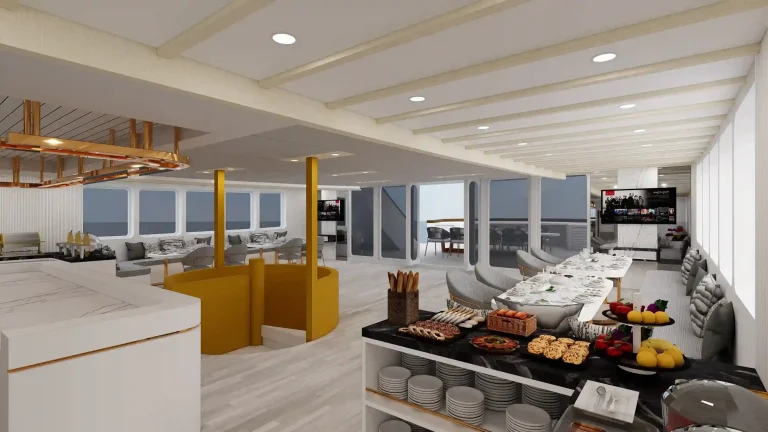
Exploring the Future of Yacht Interior Design 2027
The future of yacht interior design in 2027 is characterised by innovative interior solutions and luxury yacht decor that focus…

Travel Journal
The Evolution of Yacht Charter Experiences in 2027
The evolution of yacht charter experiences in 2027 is characterised by a shift towards personalised luxury, technological innovations, and sustainable…
Travel Journal
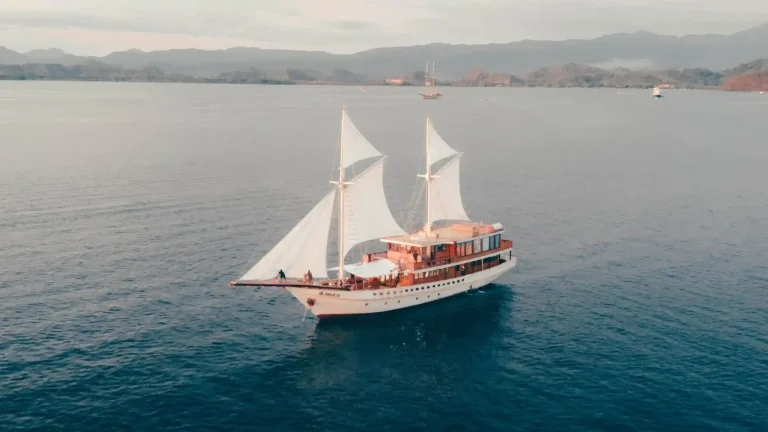
Nature-Inspired Yacht Design 2027: Innovations from the Natural World
In 2027, nature-inspired yacht design is revolutionising the industry by integrating biomimicry and natural aesthetics, creating vessels that are both…