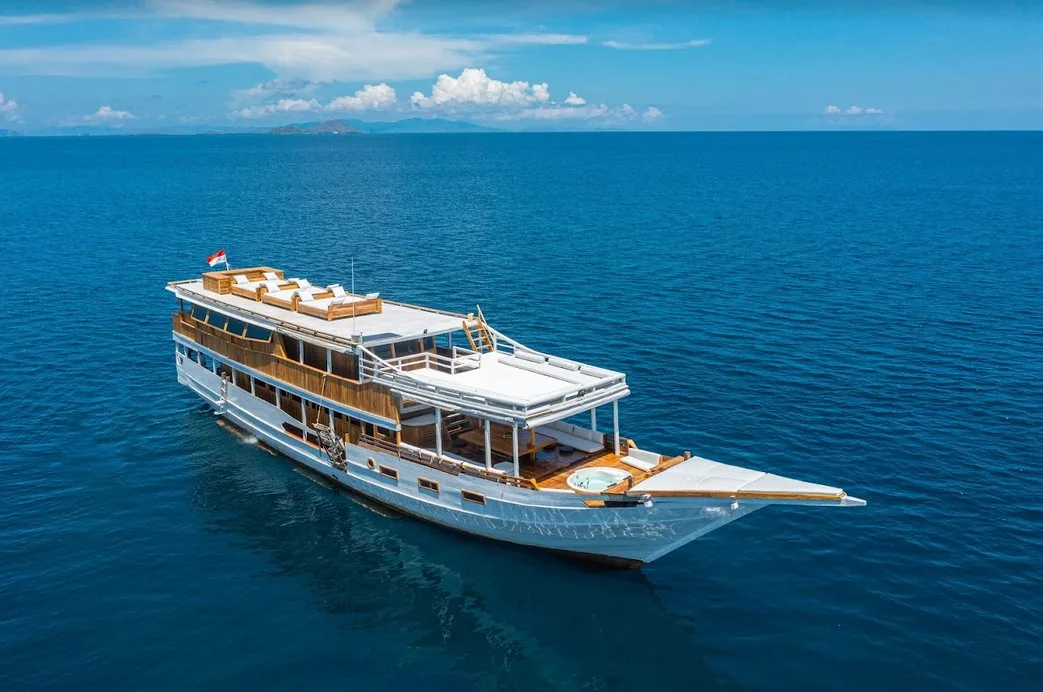
The Two-Island Build: Hulls From Sulawesi, Fit-Out in Bali
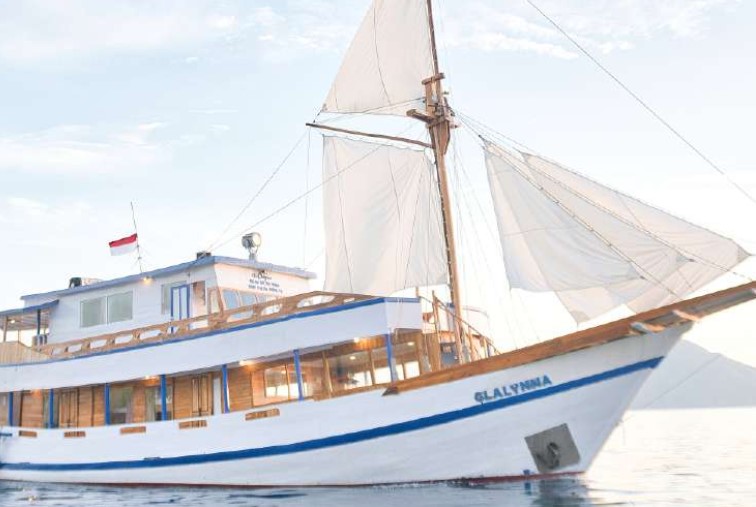
Updated: August 2026
Indonesia’s most proven route to a large timber vessel is a two-island relay: the hull takes shape in the master yards of South Sulawesi, then travels to Bali for systems, interiors and finishing. The model pairs the archipelago’s deepest hull-building tradition with the island best equipped for modern fit-out and owner supervision — and its success turns entirely on who manages the seam between the two.
Why the build splits across two islands
The division follows skill and infrastructure. South Sulawesi’s boatbuilding communities have raised big timber hulls for generations; their shipwrights work ironwood and teak at a scale and fluency no other region matches, and coastal building sites there suit the long structural phase. What those sites lack is what a modern yacht’s second half demands: marine-systems trades, import logistics, finish workshops and easy owner access — precisely Bali’s strengths, concentrated around Benoa and its shipyard district.
So the pragmatic pipeline emerged: structure where structure is strongest, completion where completion is strongest. Most of the celebrated phinisi afloat today are children of this relay.
Phase one: the hull rises in Sulawesi
The Sulawesi phase runs from timber selection through keel, frames, planking and the closing of the hull — months of heavy craft executed by teams whose methods blend inherited practice with modern fastenings and adhesives where they earn their place. For the owner and builder, the management priorities in this phase are material verification (legal, seasoned timber in the contracted species), stage inspections with photographic records, and structural decisions locked before planking makes them permanent.
Supervision distance is the phase’s known risk. Professional programmes place a site representative at the yard or maintain a scheduled inspection rota, so the faraway hull grows inside the same documentation discipline a Bali shed would enforce — the standard our project-management desk applies on every remote phase.
The voyage: moving a hull between islands
Between the islands lies the model’s signature moment: the delivery. Depending on completion state, the hull either makes the passage on its own bottom — launched, ballasted, fitted with temporary or newly installed propulsion and steering, and sailed or motored across with an experienced delivery crew in a fair-weather window — or travels as cargo for smaller craft. The passage is planned like any offshore delivery: weather routing, insurance in place, safety equipment aboard, and a shakedown value that experienced managers actually welcome, since a hull that has crossed the Flores and Bali seas arrives with its seams and systems proven.
Timing is seasonal: crews favour the settled months and avoid fighting the monsoon’s rougher windows, and the schedule’s float — as our timeline guide argues — is budgeted here deliberately.
Phase two: Bali finishes the boat
Arriving at Benoa or Serangan, the hull enters its second life: engines and generators, tankage, electrical systems, navigation, air-conditioning, then the interior — joinery, carving and finishes flowing in from the island’s craft chain — and finally paint, rig completion and commissioning. This is where the two-island model pays its dividend: every specialist trade the completion needs operates minutes away, imports land through the harbour, and the owner supervises the decision-dense months from a comfortable island base.
The seam management continues to matter: dimensional surveys on arrival, moisture equalisation before joinery, and a single project authority carrying the documentation from island to island so the finished vessel has one coherent build record. Owners evaluating the model should probe exactly this — who owns the seam — using the checklist in our builder-selection guide.
Frequently Asked Questions
Why not build the whole boat in one place?
Because the skills split: Sulawesi leads big timber structure, Bali leads systems, finish and supervision access. The relay uses each at its best.
Is the inter-island delivery risky?
Managed properly — fair-season window, delivery crew, insurance, safety equipment — it is routine, and doubles as a structural shakedown.
How is quality controlled at the Sulawesi yard?
Through stage inspections, photographic records and a site representative, under the same documentation discipline as the Bali phase.
Does the two-island model cost more?
It adds the delivery and dual-site management, priced in USD in the budget — usually outweighed by hull-phase economics and finish-phase quality.
Run the relay with one accountable team
The two-island build rewards owners who appoint one manager for both shores. The Bali Yacht Builder desk runs the full relay — WhatsApp +62 811-2859-0000 or [email protected].
Keep reading
Build Guides
2027 Bali Building Outlook: Catamarans Rise, Phinisi Endure
Bali enters 2027 with its boatbuilding order books in the healthiest shape of the decade. Four currents define the outlook:…

Build Guides
Build Timelines in Bali: Why Island Logistics Add Weeks, Not Months
The honest answer about Bali build timelines: island logistics add weeks to a well-run schedule, not months — and the…
Build Guides
Hybrid Power for Bali Builds: Quiet Cruising the Island Demands
Hybrid propulsion has moved from novelty to a serious option on Bali builds. Diesel-electric and battery-hybrid systems deliver what island…