Custom Yacht Itineraries in Indonesia: Designing the Boat Around the Routes You’ll Sail
Updated: August 2026
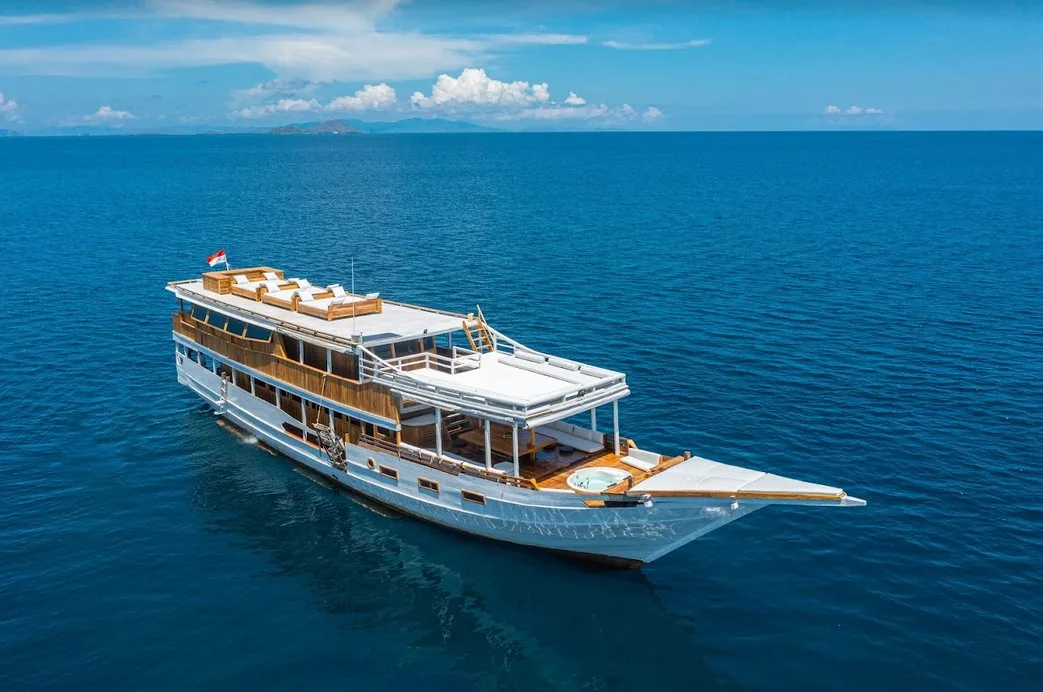
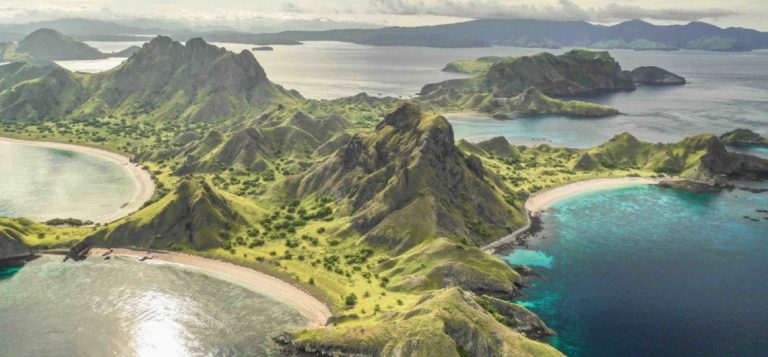
Custom yacht itineraries in Indonesia should be written before the lines plan, not after handover. The routes you intend to sail — Komodo, Raja Ampat, the Mentawais, the Banda Sea — dictate range, draft, tankage, tender size and cooling load. A boat designed around its itinerary outperforms a generic build every season it operates.
Why the itinerary is the first design document
Most owners approach a custom build with a style reference and a length in mind. The better starting point is a map. Indonesia spans more than 17,000 islands across three time zones, and the differences between cruising grounds are not cosmetic: anchorage depths, swell exposure, resupply distance and diving conditions vary so much that a hull optimised for one region can be genuinely wrong for another. When our design studio takes a brief, the first working session is an itinerary workshop — where will the boat spend its first three seasons, how many guests, how many crew, and how far between fuel stops. Every specification decision that follows inherits its logic from those answers.
What each cruising ground demands of the boat
| Region | Defining conditions | Design consequences |
|---|---|---|
| Komodo & Flores | Strong currents, dry heat, short hops | Manoeuvrability, shade architecture, dive tender |
| Raja Ampat | Remote, long transits, fragile reefs | Extended fuel and water range, holding tanks, shallow-set anchoring gear |
| Mentawai Islands | Open-ocean swell, surf-focused guests | Seakeeping, stabilisation, board storage, fast tenders |
| Banda & Maluku | Very remote, deep anchorages | Redundant systems, workshop space, long-range communications |
None of these requirements is exotic on its own. The point is that they pull the specification in different directions, and a written itinerary lets the naval architect resolve those tensions deliberately instead of by accident.
Specifications that change with the route
Range is the most obvious variable: a boat based in Komodo can live comfortably with 3,000 litres of fuel, while a Raja Ampat season argues for double that plus serious watermaker capacity. Draft matters almost as much — several of the best anchorages in eastern Indonesia shoal quickly, and a metre of extra draft removes dozens of them from your cruising plan. Air-conditioning load should be calculated against the region’s humidity profile rather than a temperate-market default. Dive-focused itineraries add a compressor room, nitrox capability and a tender that can carry eight divers with kit. Surf itineraries prioritise crossing stability and board lockers. Each of these choices is far less expensive to make on paper than to retrofit in a shipyard.
From itinerary to contract
Once the itinerary workshop settles the operating profile, the studio translates it into a preliminary general arrangement and a specification that yards can price honestly. That package — routes, GA, equipment schedule, class notation — becomes the annex of the build contract, which is how you keep a yard accountable to the boat you actually described. The full program is described on our custom yacht build program in Bali page, and the way hulls move through the group’s yards is set out under the nationwide design-and-build network. Owners drawn to traditional platforms can see how the same logic applies to gaff-rigged vessels on the expedition phinisi build page.
Export builds: designing for a boat that leaves
A growing share of our briefs end with the vessel departing Indonesia — owners who want Indonesian craftsmanship under a foreign flag in the Mediterranean or the Caribbean. Itinerary-first design still applies; it simply adds a delivery voyage to the route list. Ocean legs change the safety equipment schedule, the fuel margin and sometimes the rig, and export paperwork is folded into the build timeline so the boat clears outbound without drama. The commercial model, including turnkey delivery, is the same one documented in Design in Bali, Build in Sulawesi.
Start with your map
Bring us a list of the places you want to wake up, and we will bring the naval architecture that gets you there. WhatsApp +62 811-2859-0000 or write to [email protected] to book an itinerary workshop with the design studio.
Preparing for the itinerary workshop
Owners get the most from the first session by arriving with three lists. First, the places: not a polished route, just the anchorages, dive sites and coastlines you want the boat to reach, in rough order of priority. Second, the people: maximum guests overnight, maximum for day sailing, children’s ages, crew expectations, and whether the boat will ever host commercial guests — that single answer changes the certification path. Third, the calendar: how many weeks a year the boat will realistically operate, and in which monsoon seasons, because Indonesian weather is a routing fact the design must respect. From those three lists the studio produces a written operating profile — range, endurance, guest count, service speed, draft ceiling — that both the naval architect and the eventual build contract inherit. Owners are often surprised how quickly the boat emerges from the map: the archipelago, properly interrogated, does most of the specifying itself.
Itinerary-driven design — frequently asked questions
Why should the itinerary come before the yacht design?
Because range, draft, tankage and cooling load are all route-dependent. Designing around the itinerary produces a boat matched to its waters; designing first and routing later produces compromises that surface every season.
Can one custom yacht handle both Komodo and Raja Ampat?
Yes, and many of our briefs ask exactly that. The specification simply carries the more demanding requirement in each category — Raja Ampat’s range and holding tanks, Komodo’s manoeuvring and dive setup — which is a solvable design problem when known early.
How much detail does the studio need about my planned routes?
A season-level sketch is enough to start: which regions, which months, how many guests and crew. The itinerary workshop refines that into an operating profile the naval architect can design against.
Can a yacht built for Indonesian itineraries be exported afterwards?
Yes. Export is planned into the build — delivery-voyage safety equipment, fuel margins and outbound customs paperwork are handled inside the same program, so the vessel leaves cleanly under its new flag.
Keep reading
Build Guides
2027 Bali Building Outlook: Catamarans Rise, Phinisi Endure
Bali enters 2027 with its boatbuilding order books in the healthiest shape of the decade. Four currents define the outlook:…
Build Guides
Build Timelines in Bali: Why Island Logistics Add Weeks, Not Months
The honest answer about Bali build timelines: island logistics add weeks to a well-run schedule, not months — and the…
Build Guides
The Two-Island Build: Hulls From Sulawesi, Fit-Out in Bali
Indonesia's most proven route to a large timber vessel is a two-island relay: the hull takes shape in the master…