Exploring the Future of Yacht Interior Design 2027
Updated: July 2026
The future of yacht interior design in 2027 is characterised by innovative interior solutions and luxury yacht decor that focus on sustainability, advanced technology, and personalised experiences.
The Future of Yacht Interior Design 2027
As we progress through 2027, the yacht industry is undergoing a transformative phase that emphasises sustainability and technological progress. The future of yacht interior design is influenced by trends that prioritise the use of eco-friendly materials, the integration of smart technology, and an emphasis on personalised luxury experiences. This shift is driven by a growing awareness of environmental issues and the demand for customisation in high-end markets.
Embracing Innovative Interior Solutions
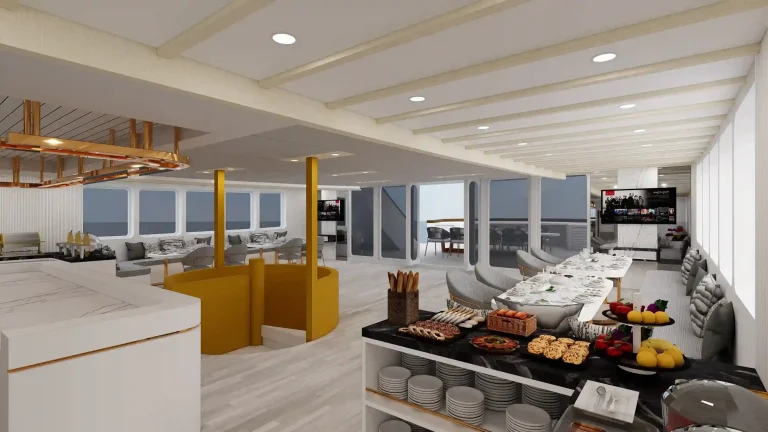
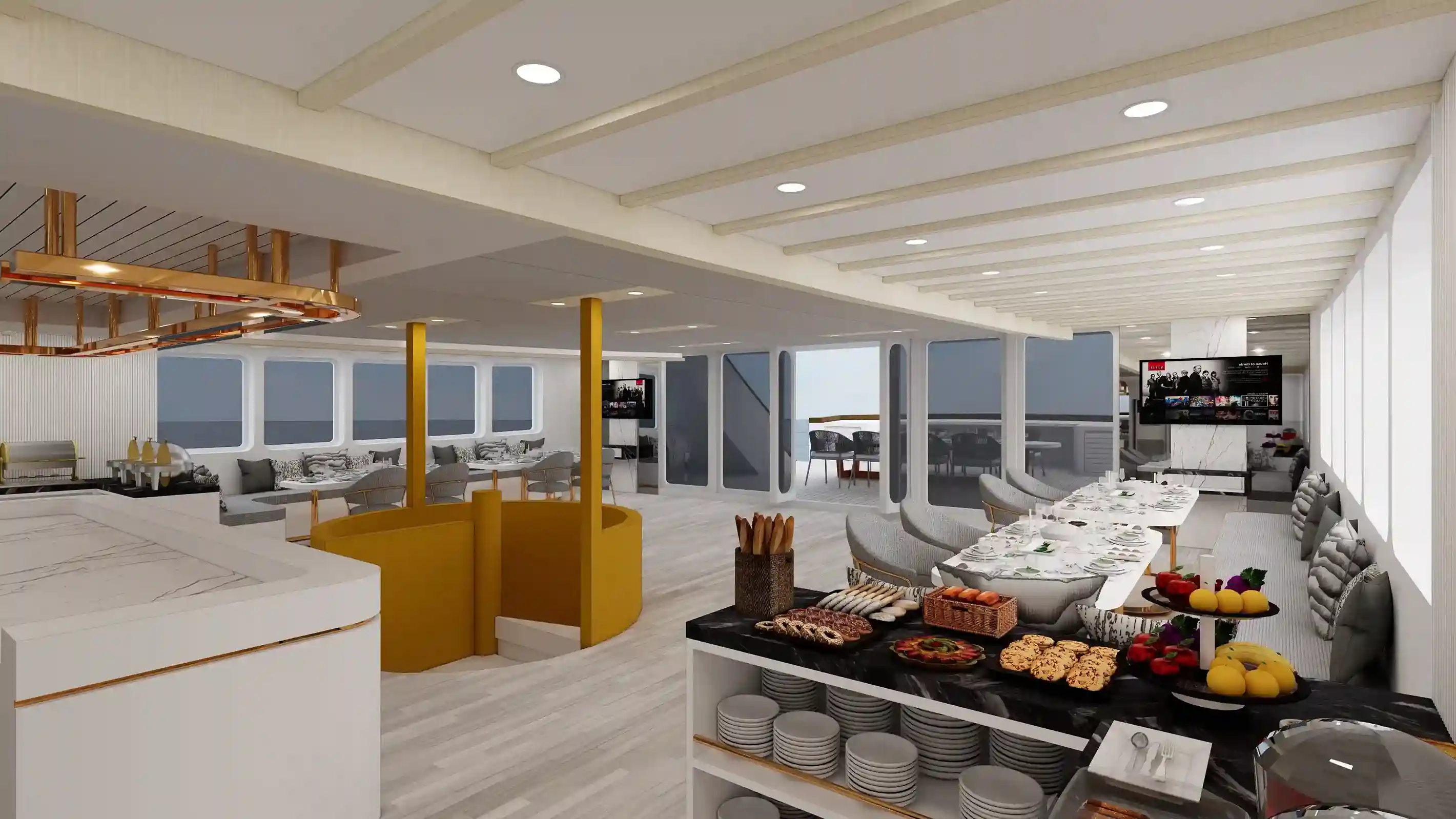
Innovative interior solutions are becoming a cornerstone of yacht design, with designers striving to blend functionality with aesthetics in a harmonious manner. The use of modular furniture and multi-purpose spaces is increasingly prevalent, allowing yacht interiors to adapt to the dynamic lifestyles of their owners. This flexibility permits the reconfiguration of spaces to suit different activities, such as dining, lounging, or entertaining, depending on the owner’s preferences and needs. For example, a dining area can be transformed into a relaxation zone with the use of sliding partitions or foldable furniture, ensuring that each voyage caters to a variety of experiences.
Luxury Yacht Decor: A Personalised Touch
The decor of luxury yachts in 2027 is defined by bespoke design elements that reflect the personal tastes and preferences of the owner. This trend is evident in the increasing use of custom artwork, unique material combinations, and artisanal craftsmanship. These elements not only enhance the aesthetic appeal of the yacht but also imbue the space with a sense of personalised luxury that resonates with the owner’s identity. For instance, a yacht owner may choose to incorporate a specific type of wood or metal that holds personal significance, or commission a piece of art that reflects their passions or interests. This level of customisation ensures that the yacht is not just a vessel, but a personal sanctuary that embodies the owner’s lifestyle.
What Trends Are Shaping Yacht Interior Design in the Future?
Several key trends are shaping the future of yacht interior design. These include the integration of sustainable materials, the adoption of smart home technology, and an increased emphasis on wellness and relaxation spaces. Designers are increasingly incorporating recycled and eco-friendly materials, such as reclaimed wood and recycled metals, in their designs. Additionally, energy-efficient systems are being utilised to create yachts that are both environmentally responsible and luxurious. The trend towards wellness is reflected in the inclusion of spa-like bathrooms, meditation areas, and fitness spaces, which cater to the growing desire for health and well-being among yacht owners.
Technology and Sustainability
Technology plays a pivotal role in the evolution of yacht interiors, enhancing convenience, comfort, and environmental sustainability. From smart lighting systems that adjust according to the time of day or the owner’s mood, to voice-controlled environments that allow for hands-free operation of various systems, technology is making life on board more efficient and enjoyable. Furthermore, sustainability remains a crucial consideration, with designers focusing on energy-efficient appliances and solar technologies to minimise the environmental impact of yachting. For example, solar panels can be integrated into the design to provide power for onboard systems, reducing reliance on traditional fuel sources and lowering the yacht’s carbon footprint.
- Smart technology integration
- Eco-friendly materials
- Personalised luxury
- Wellness-focused spaces
- Multi-functional design
A 2027 Note on Emerging Materials
In 2027, emerging materials such as bio-based composites and recycled fabrics are gaining popularity within the yacht industry. These materials offer durability and a reduced carbon footprint, aligning with the industry’s commitment to more sustainable practices. Bio-based composites, for example, are derived from renewable sources and can be used in a variety of applications, from hull construction to interior finishes. Recycled fabrics, often made from post-consumer waste such as plastic bottles, provide a sustainable alternative to traditional textiles, offering both environmental benefits and aesthetic appeal. The adoption of these materials highlights the industry’s dedication to innovation and environmental stewardship, ensuring that yachts remain at the forefront of sustainable luxury.
FAQ
What are the key features of future yacht interiors?
Key features include the integration of smart technology, the use of eco-friendly materials, modular designs that allow for flexible space usage, and personalised luxury elements that reflect the owner’s tastes and preferences.
How is sustainability integrated into yacht design?
Sustainability is integrated through the use of recycled and eco-friendly materials, energy-efficient systems, and the incorporation of eco-friendly technologies such as solar panels and energy-saving appliances. These measures help to reduce the environmental impact of yachting while maintaining a high level of luxury and comfort.
What role does technology play in yacht interiors?
Technology enhances convenience and comfort in yacht interiors by providing smart systems, voice control, and advanced lighting solutions. These technologies allow for greater control over the onboard environment, enabling owners to customise their experience and improve energy efficiency. Additionally, technology plays a role in enhancing safety and security, with advanced navigation and monitoring systems ensuring that yachts remain safe and secure during their voyages.
Keep reading
Travel Journal
The Evolution of Yacht Charter Experiences in 2027
The evolution of yacht charter experiences in 2027 is characterised by a shift towards personalised luxury, technological innovations, and sustainable…
Travel Journal
Nature-Inspired Yacht Design 2027: Innovations from the Natural World
In 2027, nature-inspired yacht design is revolutionising the industry by integrating biomimicry and natural aesthetics, creating vessels that are both…
Travel Journal
Understanding the Global Yacht Market in 2027
The global yacht market in 2027 is anticipated to witness significant growth, driven by advancements in design, sustainability, and a…