Yacht Safety Standards 2027: Modern Age of Marine Safety
Updated: July 2026
Yacht safety standards 2027 encompass advanced technologies and design innovations, ensuring enhanced marine safety regulations and onboard safety features to protect passengers and crew.
Yacht Safety Standards 2027
As we sail into 2027, yacht safety standards have evolved significantly to incorporate technologies and innovative design features. These advancements are crucial in maintaining compliance with marine safety regulations and ensuring that both passengers and crew enjoy a secure and comfortable journey. The integration of technology, such as artificial intelligence and improved materials, has set new benchmarks in safety, making yachts more resilient in the face of unforeseen circumstances.
Advancements in Marine Safety Regulations
The marine industry has seen a consistent push towards more stringent safety regulations, and 2027 is no exception. The International Maritime Organization (IMO) continues to set the benchmark for these regulations, focusing on comprehensive risk assessments and the integration of new technologies. Key areas of focus include fire safety, environmental protection, and emergency response protocols. For instance, new fire safety regulations mandate the use of advanced suppression systems that can automatically detect and extinguish fires, significantly reducing response times. Environmental protection measures have also been enhanced, with regulations requiring the use of eco-friendly materials and propulsion systems that minimise carbon footprints. Emergency response protocols now include mandatory training for crew members, ensuring they are well-prepared to handle crises efficiently. Adhering to these regulations is essential for yacht builders and operators, ensuring that vessels are equipped to handle any situation.
Onboard Safety Features: Modern Innovations
Modern yachts are now equipped with a plethora of onboard safety features designed to safeguard all aboard. These include advanced fire suppression systems, state-of-the-art navigation technology, and enhanced life-saving equipment. Fire suppression systems have evolved to include heat and smoke sensors that activate automatically, providing an immediate response to potential fires. Navigation technology has seen improvements with the inclusion of AI-driven systems that offer real-time data on weather conditions, potential hazards, and optimal routes. Enhanced life-saving equipment now features automated life rafts that deploy with minimal human intervention, increasing the chances of survival in emergencies. Additionally, the integration of artificial intelligence and automated systems has become increasingly prevalent, providing real-time data and predictive analytics to prevent accidents before they occur. These systems can monitor the yacht’s systems continuously, alerting the crew to any anomalies that may indicate potential issues.
Design Innovations for Enhanced Safety
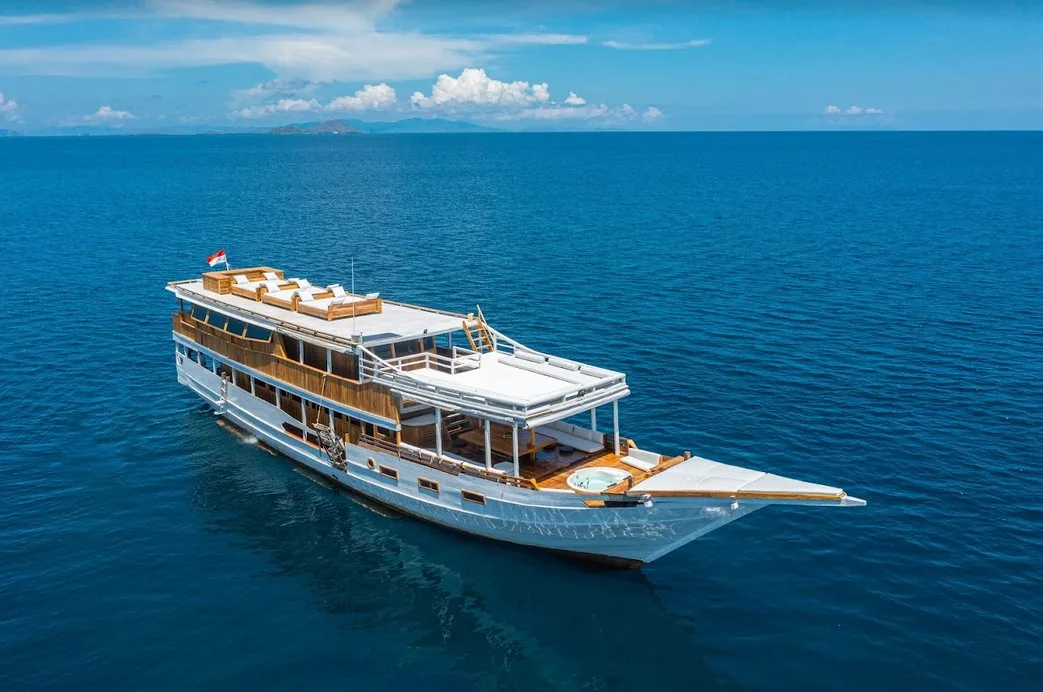
Yacht design in 2027 prioritizes safety without compromising luxury or performance. Designers are employing materials and structural techniques that enhance the durability and stability of yachts. Innovations such as double-hulled structures provide additional buoyancy and protection against hull breaches. Energy-efficient propulsion systems not only contribute to safety but also support environmental sustainability by reducing fuel consumption and emissions. The use of advanced materials, such as carbon composites, offers superior strength and lightweight properties, enhancing both performance and safety. These design elements are crucial for meeting modern safety standards and appealing to the discerning yacht owner.
2027 Note: Keeping Up with the Trends
In 2027, it’s imperative for those in the yacht industry to stay informed about the latest safety standards and technological advances. As regulations evolve, so too must the strategies employed by yacht builders and operators. This commitment to continuous improvement ensures compliance with current regulations and enhances the overall safety and experience of all onboard. Industry professionals are encouraged to participate in regular training sessions, workshops, and conferences to keep abreast of the latest developments. Collaboration with technology providers and regulatory bodies is also vital to anticipate future trends and adapt accordingly.
For more insights into our approach and comparisons in the yacht industry, explore our detailed comparisons page.
FAQ
What are the latest safety standards in yacht design for 2027?
In 2027, yacht design safety standards focus on advanced fire suppression, AI-driven navigation systems, and enhanced life-saving equipment, aligning with updated marine safety regulations. These standards require the implementation of systems that can autonomously respond to emergencies and provide predictive maintenance alerts.
How do modern yachts ensure passenger safety?
Modern yachts ensure passenger safety through the integration of AI systems, robust structural designs, and comprehensive safety protocols, all designed to prevent and respond to emergencies effectively. Crew training and regular safety drills are mandated to ensure preparedness for any situation.
What are some key design features in 2027 yachts?
Key design features in 2027 yachts include double-hulled structures, energy-efficient propulsion systems, and the use of advanced materials, all contributing to enhanced safety and performance. These features are designed to provide greater resilience against environmental challenges and improve overall vessel efficiency.
Keep reading
Travel Journal
Exploring the Future of Yacht Interior Design 2027
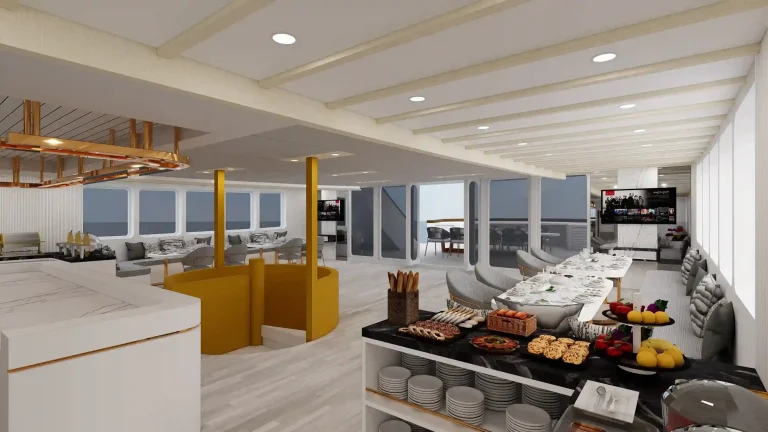
The future of yacht interior design in 2027 is characterised by innovative interior solutions and luxury yacht decor that focus…
Travel Journal
The Evolution of Yacht Charter Experiences in 2027
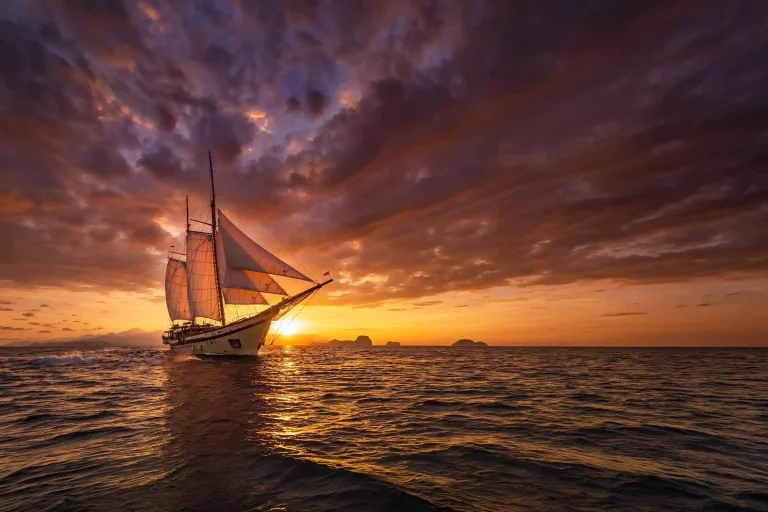
The evolution of yacht charter experiences in 2027 is characterised by a shift towards personalised luxury, technological innovations, and sustainable…
Travel Journal
Nature-Inspired Yacht Design 2027: Innovations from the Natural World
In 2027, nature-inspired yacht design is revolutionising the industry by integrating biomimicry and natural aesthetics, creating vessels that are both…