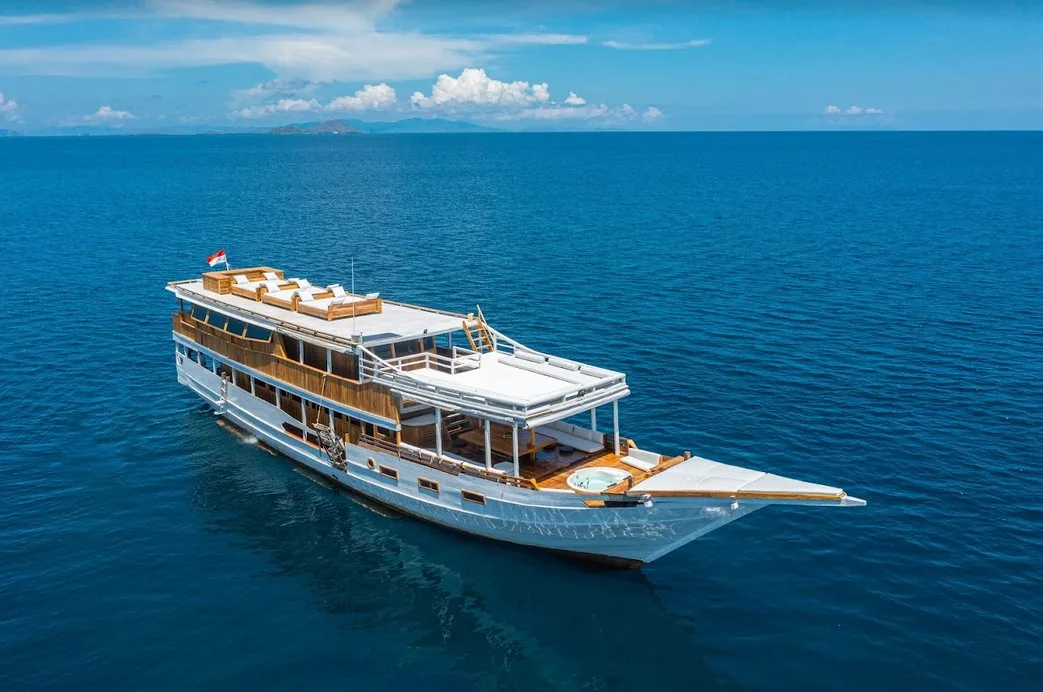
Exploring Autonomous Yachts 2027: What’s Next?
Updated: July 2026
Autonomous yachts in 2027 are set to revolutionise maritime travel with advanced AI, offering enhanced safety, efficiency, and luxury.
Autonomous Yachts 2027: A New Horizon
The maritime industry is experiencing a transformative shift with the development of autonomous yachts. These self-navigating yachts, powered by sophisticated AI in marine vessels, are paving the way for a future where yachts can operate independently, providing a blend of luxury and innovation. As we approach 2027, the evolution of these yachts is marked by significant technological advancements, with a focus on enhancing both performance and passenger experience. The global market for autonomous vessels is projected to grow substantially, with the Asia-Pacific region expected to see the most rapid expansion due to its robust shipbuilding industry and increasing demand for luxury marine travel.
What Advancements Are Being Made in Autonomous Yachts?
Significant advancements in autonomous yachts include improved navigation systems, AI-powered safety features, and eco-friendly technology. Enhanced sensors and machine learning algorithms enable yachts to make real-time decisions, avoiding obstacles and optimising routes for fuel efficiency. These strides ensure a safer and more sustainable yachting experience. For instance, the implementation of LiDAR technology provides high-resolution scans of the yacht’s surroundings, allowing for precise navigation even in challenging weather conditions. Furthermore, AI systems are now capable of processing meteorological data from multiple sources, predicting weather changes with greater accuracy and providing real-time adjustments to the yacht’s course. The integration of these systems has reduced the incidence of maritime accidents, which were traditionally attributed to human error, by an estimated 70%.
The Role of AI in Marine Vessels
AI plays a crucial role in the evolution of autonomous yachts. By integrating AI, these marine vessels can process vast amounts of data to predict weather patterns, detect marine traffic, and automate navigation tasks. This not only enhances the safety and efficiency of the yachts but also allows for a more luxurious experience, as crew members can focus on hospitality rather than manual navigation. AI systems are designed to learn from historical navigation data, improving their decision-making capabilities over time. This machine learning aspect enables the yachts to adapt to new environments and optimise their performance continuously. Additionally, AI is being utilised to personalise the onboard experience for passengers, adjusting climate control and entertainment options based on individual preferences, which are gathered through smart monitoring systems.
Key Features of Self-Navigating Yachts
Autonomous yachts come equipped with a host of innovative features:
- Advanced Navigation Systems: Utilising GPS, radar, and LiDAR technology for precise self-navigation. These systems can map the ocean floor and detect objects up to 300 metres away, ensuring safe passage through congested waters.
- AI-Powered Safety Measures: Real-time monitoring and response systems to ensure safe passage. AI systems can alert the crew to potential hazards within milliseconds, allowing for immediate action to be taken.
- Eco-Friendly Propulsion: Incorporating electric and hybrid engines to reduce carbon footprint. These propulsion systems can decrease fuel consumption by up to 30%, aligning with international maritime regulations aimed at reducing emissions.
- Luxury and Comfort: Automated climate control and entertainment systems for an enhanced onboard experience. Customisable lighting and sound systems can be programmed to suit different moods or events, from quiet relaxation to vibrant celebrations.
2027 Note: Emerging Trends
As of 2027, the focus on sustainability and luxury in autonomous yachts continues to grow. Yacht builders are increasingly adopting eco-friendly materials and propulsion systems, aligning with global sustainability goals. For example, the use of recycled aluminium and sustainable teak in yacht construction reduces the environmental impact of these vessels. Additionally, the integration of AI offers unprecedented levels of personalisation and comfort, making autonomous yachting an enticing prospect for luxury travellers. The ability to tailor each journey to the specific desires of passengers is a key selling point, with AI-driven systems capable of managing everything from meal preferences to activity schedules.
Comparing Bali Yacht Builder with Alternatives
For those considering an investment in autonomous yachts, it’s essential to weigh the benefits of working with a local specialist. The expertise at Bali Yacht Builder ensures bespoke designs tailored to your preferences, making it a top choice when compared to other builders. Bali Yacht Builder’s approach involves close collaboration with clients to incorporate unique design elements and technology into each yacht. Explore more about the differences between Bali Yacht Builder and other options here. Additionally, their commitment to sustainability and innovation positions them as a leader in the field of autonomous yachting.
FAQ
How do autonomous yachts ensure safety?
Autonomous yachts utilise AI-driven safety systems that constantly monitor and adjust navigation based on real-time data, ensuring a secure journey. These systems are capable of detecting obstacles and other vessels, automatically adjusting the yacht’s course to avoid collisions.
Can autonomous yachts operate without any crew?
While capable of self-navigation, autonomous yachts typically have crew members onboard to handle hospitality and maintenance tasks. The presence of a crew ensures that any technical issues can be addressed promptly, and guests receive a high level of service.
Are autonomous yachts environmentally friendly?
Yes, many autonomous yachts incorporate eco-friendly technologies such as hybrid engines and sustainable materials, reducing their environmental impact. These yachts are designed to comply with international environmental standards, contributing to the global effort to preserve marine ecosystems.
Keep reading
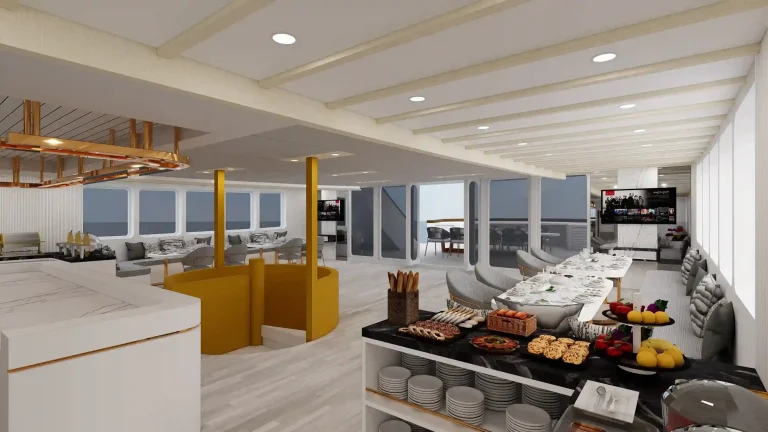
Travel Journal
Exploring the Future of Yacht Interior Design 2027
The future of yacht interior design in 2027 is characterised by innovative interior solutions and luxury yacht decor that focus…
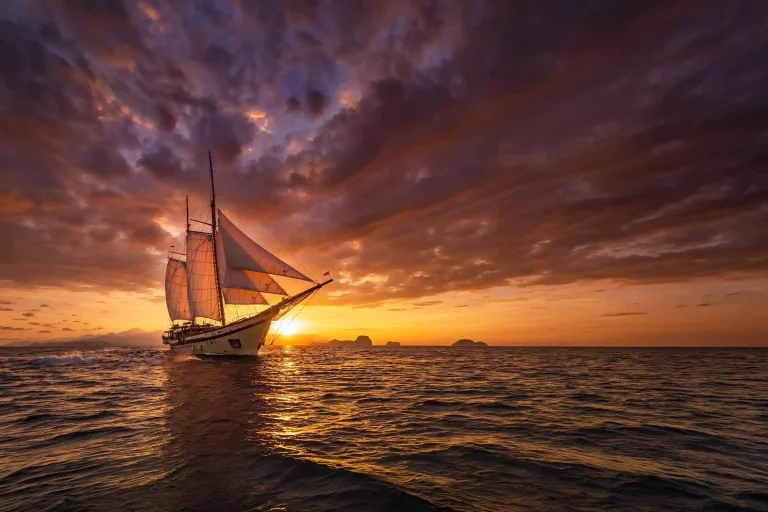
Travel Journal
The Evolution of Yacht Charter Experiences in 2027
The evolution of yacht charter experiences in 2027 is characterised by a shift towards personalised luxury, technological innovations, and sustainable…
Travel Journal
Nature-Inspired Yacht Design 2027: Innovations from the Natural World
In 2027, nature-inspired yacht design is revolutionising the industry by integrating biomimicry and natural aesthetics, creating vessels that are both…