Bali Yacht Builder
Skip to content

Bali Yacht Builder — The Complete Guide to Building a Custom P…

Updated: May 2026

Bali Yacht Builder — The Complete Guide to Building a Custom P…


Bali Yacht Builder is a curated Indonesia luxury tourism experience offered by Bali Yacht Builder: handpicked routes, vetted operators, transparent pricing, and 24/7 concierge support across Indonesia.

  • What makes Bali Yacht Builder a premium experience.
  • How Bali Yacht Builder curates exclusive access and concierge logistics.
  • Routes, seasons, and pricing transparency — no hidden fees.

The Complete Guide to Building a Custom Phinisi Yacht in Indonesia

Embarking on the creation of a custom phinisi schooner, a project typically spanning 18-24 months and costing between $800,000 and $5 million, is an investment in both a tangible asset and a piece of living history. This guide serves as a resource for investors and charter operators considering this venture. We navigate the journey from concept to operational luxury vessel, highlighting the advantages of partnering with a professional Bali yacht builder, managed from the modern maritime hub of Benoa, located just 10 kilometers from Ngurah Rai International Airport.

The Enduring Allure of the Phinisi Schooner

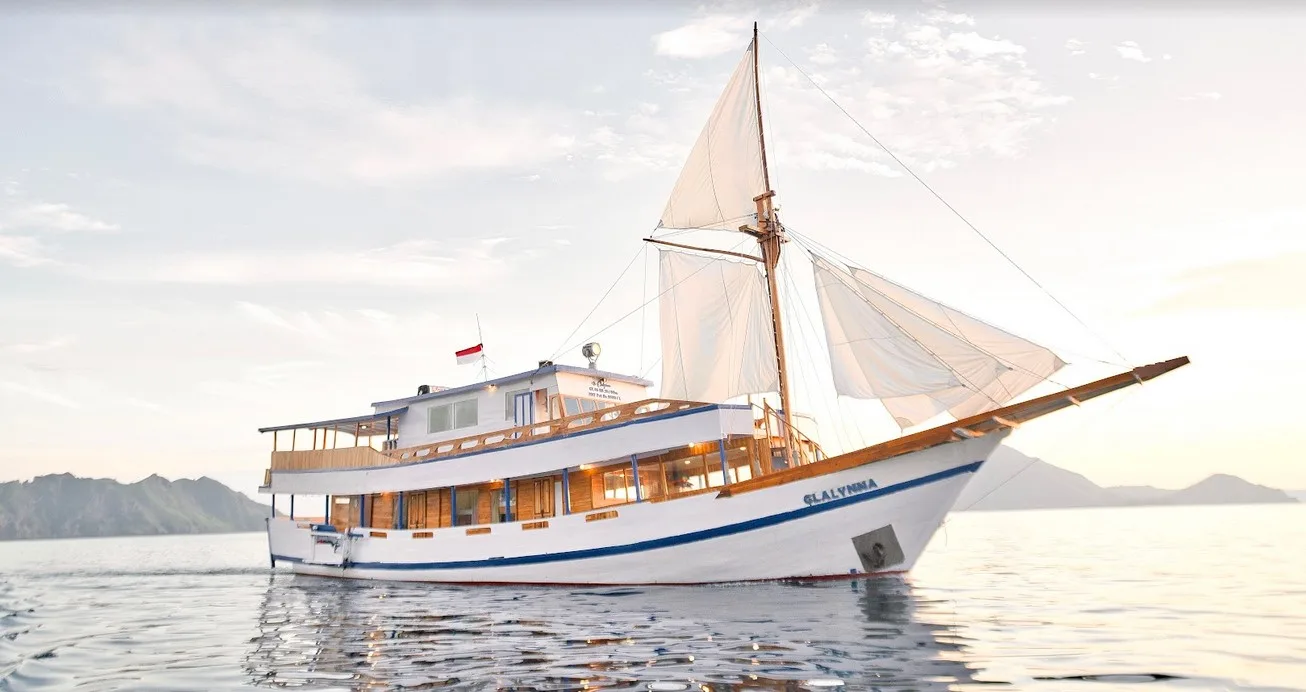
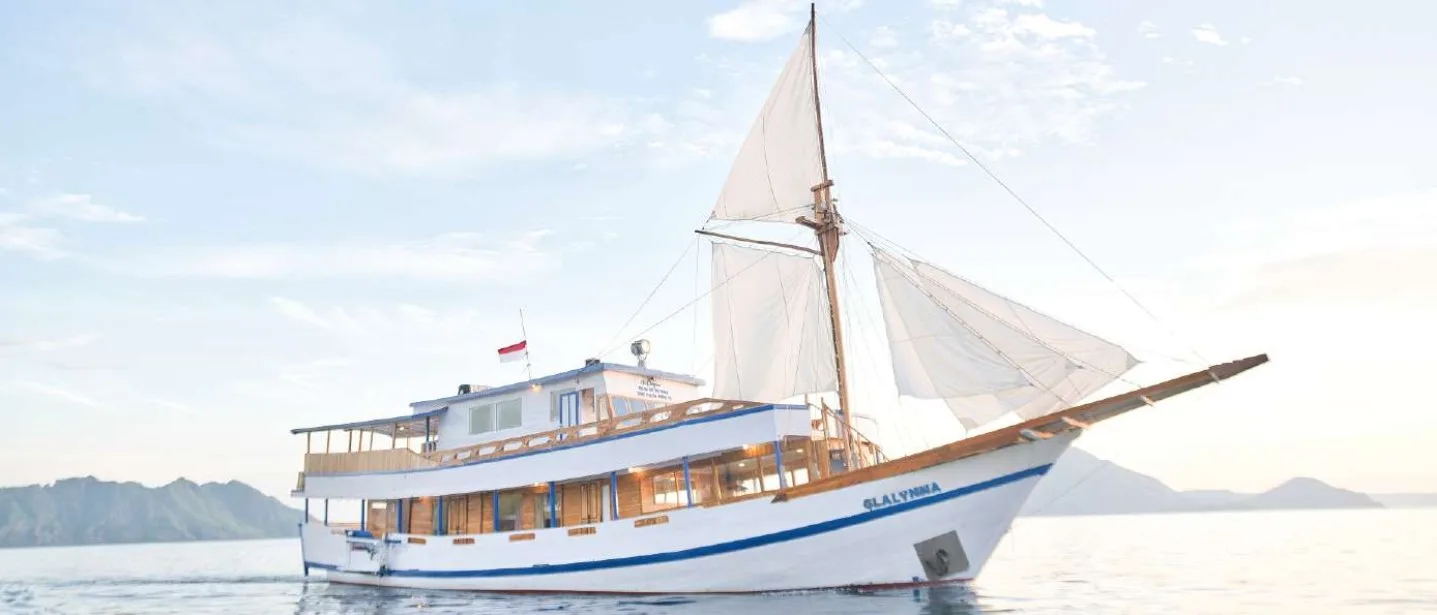
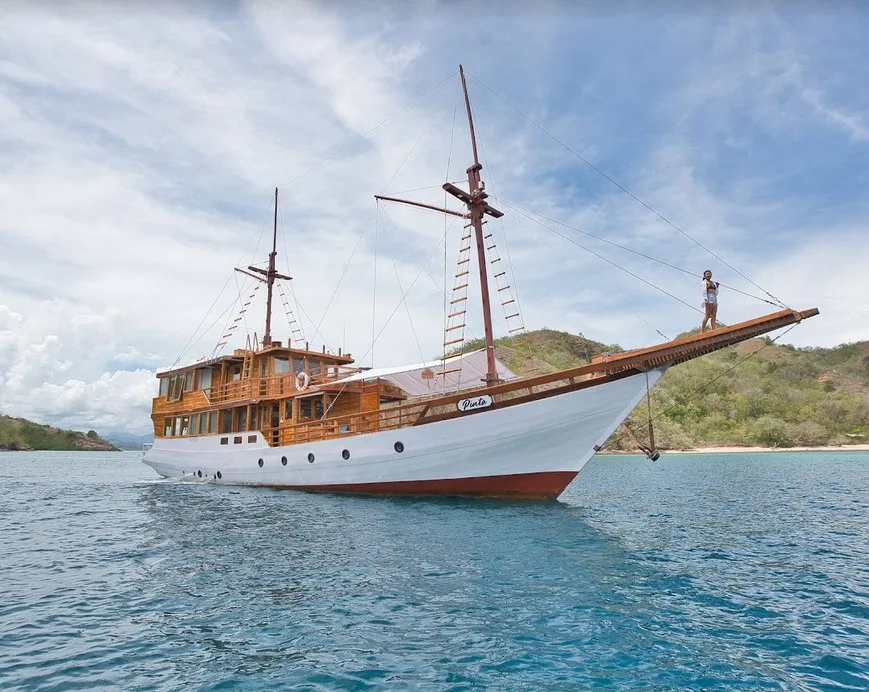
The phinisi is more than just a vessel; it is a direct link to Indonesia’s profound maritime heritage. Inscribed by UNESCO in 2017 as an Intangible Cultural Heritage of Humanity, the art of building this traditional Bugis boat has been passed down through generations of Konjo boat builders in South Sulawesi. Originally designed as cargo ships capable of carrying over 30 tons of goods through the archipelago, their robust hulls and distinctive two-masted gaff rig sail plan were engineered for these equatorial waters.

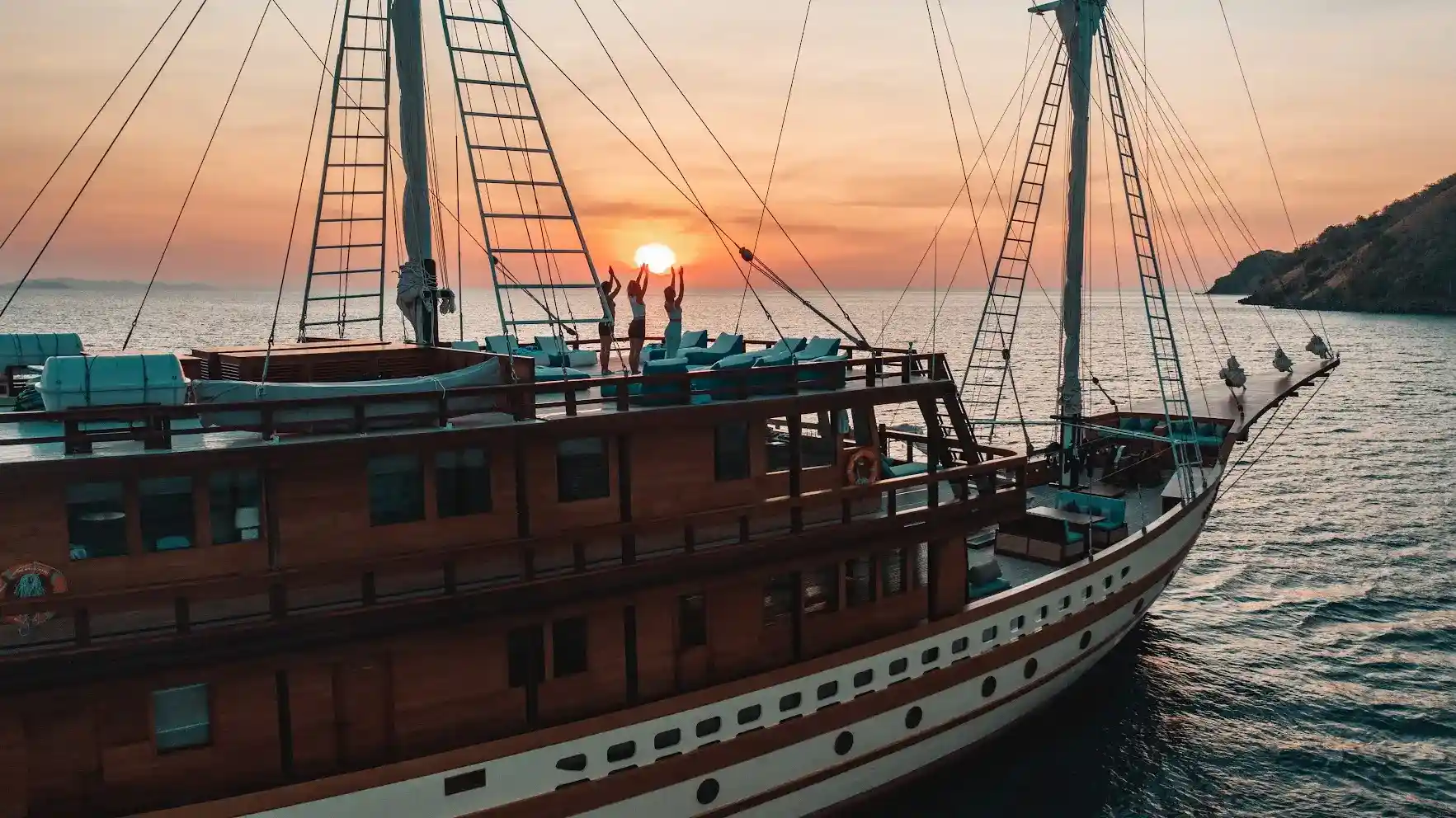
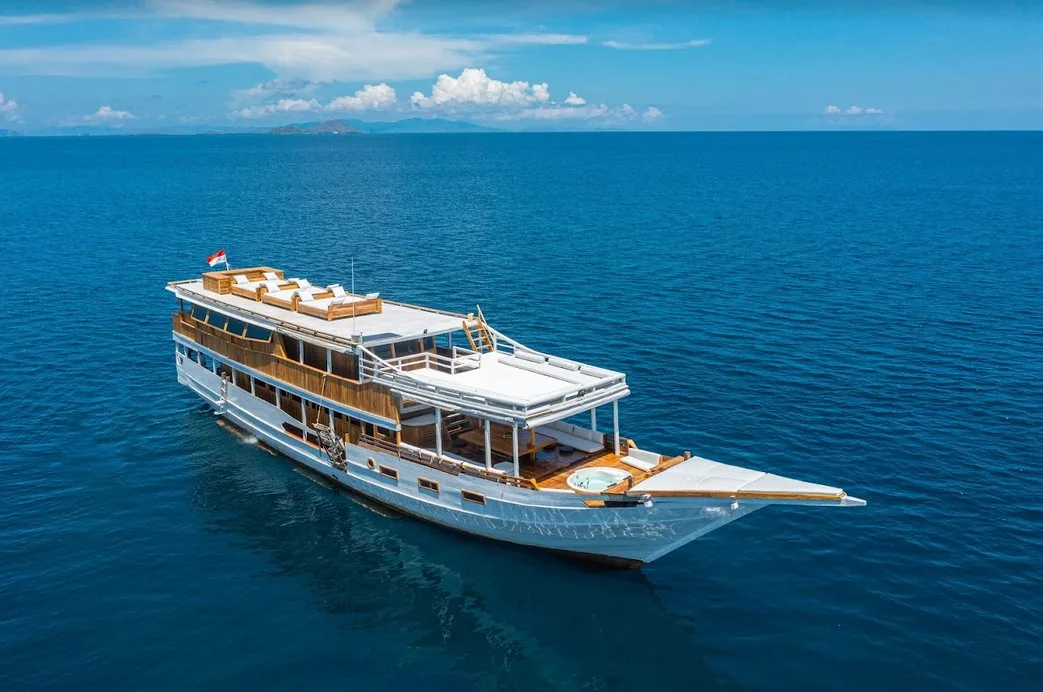
Today, this historic silhouette has been reimagined for luxury tourism, with modern phinisis often spanning 30 to 50 meters in length. Their expansive decks and stable hulls provide an ideal platform for a world-class liveaboard experience, commanding charter rates from $5,000 to over $15,000 per night. Investors are drawn to its romantic appeal, which offers guests an authentic connection to the Spice Islands’ legacy, a stark contrast to the homogenous feel of modern motor yachts. It is a floating testament to craftsmanship, adventure, and the timeless spirit of the Indonesian archipelago.

Why Build Your Phinisi in Bali? The Modern Advantage

While the soul of phinisi construction lies over 600 kilometers away in South Sulawesi, managing a multi-million-dollar project from that distance presents significant challenges, often requiring a 1.5-hour flight followed by a 5-hour drive to the boatyards. This is where the strategic advantage of a Bali-based build becomes clear. Bali, specifically the southern peninsula around Tanjung Benoa and Serangan, offers a synthesis of traditional craftsmanship and modern project management infrastructure that is unparalleled elsewhere in the region.

Proximity is paramount for a yacht investment exceeding $1 million. A Bali-based project allows for regular, hands-on oversight, mitigating risks and ensuring quality control. Unlike remote Sulawesi villages, Bali provides a reliable supply chain for high-end marine equipment, from Caterpillar engines to complete Raymarine navigation suites, via the international logistics hub of Ngurah Rai Airport (DPS). A professional Bali yacht builder acts as the crucial bridge, bringing the finest Konjo boat builders to a modern shipyard where their skills are integrated with contemporary engineering standards.

The Phinisi Construction Process: From Ironwood Keel to Final Rigging

The construction of a phinisi is a masterful display of artistry and engineering. The process begins with the meticulous selection of timber, primarily ironwood (kayu ulin) for the keel and hull—a wood so dense, at 1.19 g/cm³, it sinks in water—and teak for the superstructure. Sourcing legally certified wood, compliant with Indonesia’s SVLK timber legality system, is the first critical task for a reputable builder, forming the foundation of the vessel’s longevity, which can exceed 50 years with proper maintenance.

Following a keel-laying ceremony, master builders begin the painstaking process of ironwood hull construction. Ribs are fitted and planks are fastened using techniques honed over centuries. This traditional shell is then integrated with modern systems, including an engine room designed for twin 300-500 horsepower marine diesels, plumbing, and electrical conduits. Once the superstructure takes shape, the final major stage involves stepping the two masts, which can tower over 25 meters above the deck, and installing the complex gaff rig sail plan.

Designing for the Luxury Liveaboard Charter Market

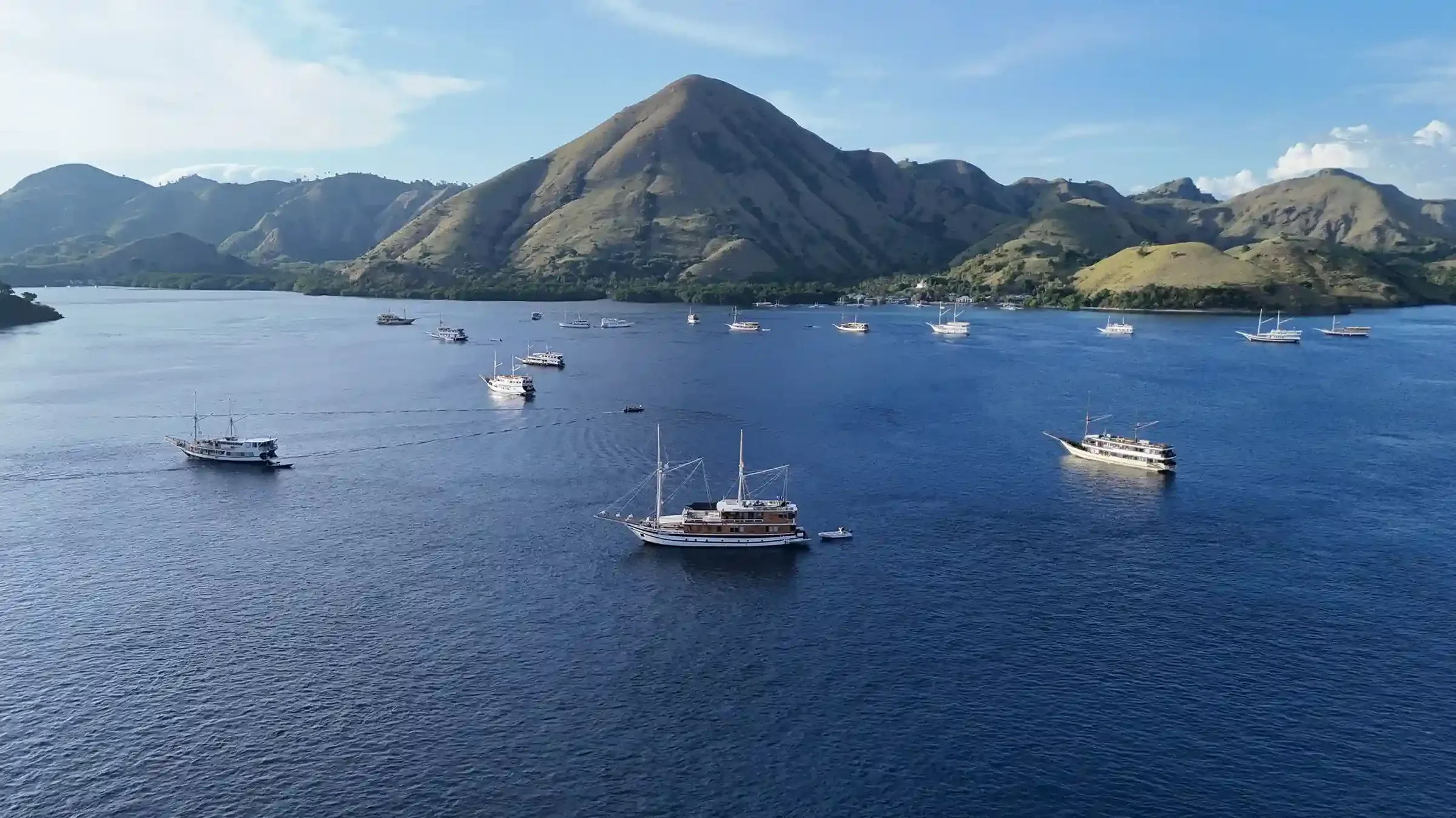
A successful phinisi masterfully blends tradition with the expectations of the high-end charter market, where a well-managed vessel in Komodo can achieve over 70% occupancy during the April-October peak season. The design phase is a collaboration to create a profitable charter platform, incorporating features like a dedicated dive center with Nitrox compressors. Key considerations include optimising guest flow for a crew-to-guest ratio that is often 1:1, maximising privacy, and creating flexible social spaces.

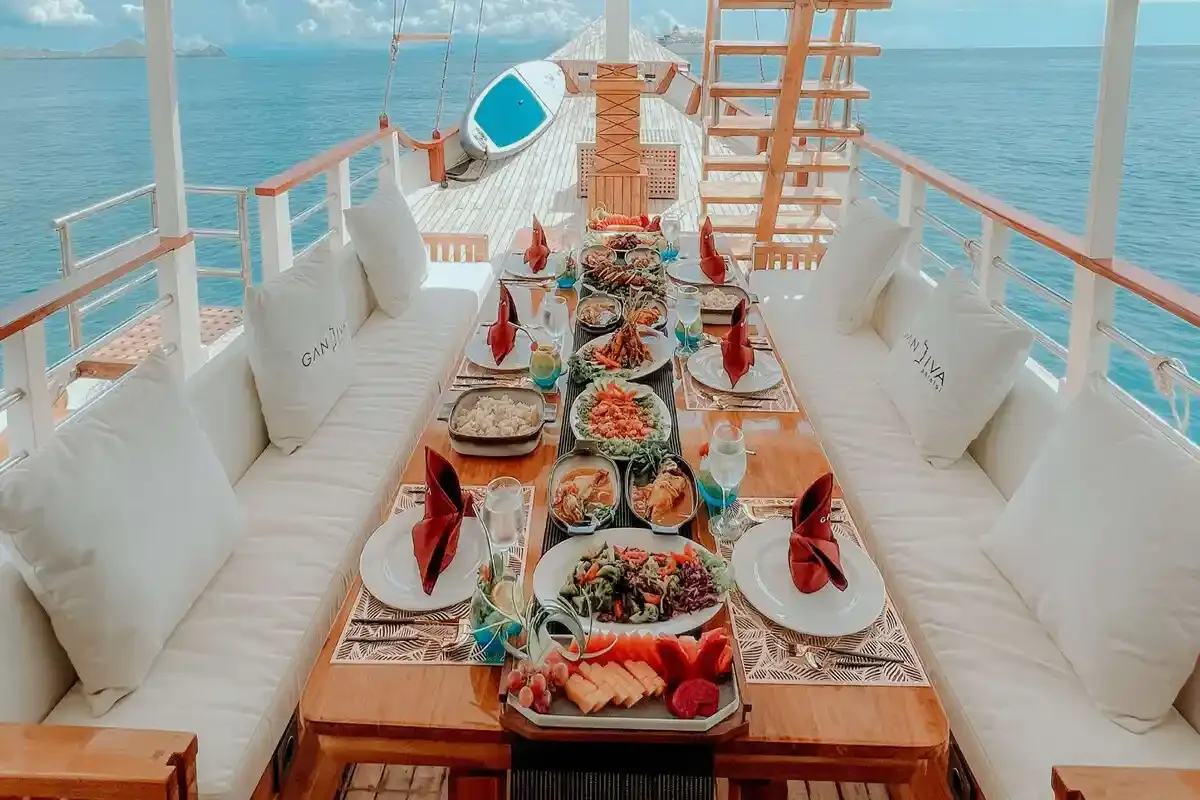
Cabin layout is critical. A mix of spacious master suites and convertible twin/double cabins can broaden the yacht’s market appeal. Dedicated facilities for activities like scuba diving, including compressor rooms and gear storage, are essential for destinations like Komodo and Raja Ampat. The galley must be designed to commercial standards to support a high level of cuisine, while sun decks, lounges, and alfresco dining areas are meticulously planned to capture the stunning Indonesian vistas. The challenge, and the art, lies in integrating modern comforts like air conditioning, water makers, and advanced navigation systems without compromising the vessel’s classic soul.

Navigating Legalities and Ownership in Indonesia

Understanding the regulatory landscape is fundamental to a secure yacht investment in Indonesia. For a vessel to operate commercially in Indonesian waters, it must be Indonesian-flagged. This typically requires the yacht to be owned by an Indonesian entity or a foreign-investment company (PMA) legally established in Indonesia. Navigating this process requires specialised legal and administrative expertise.

A seasoned Bali yacht builder provides immense value beyond construction by guiding clients through this complex framework. They can facilitate introductions to reputable maritime lawyers and consultants who specialise in PMA setup, vessel registration, and operational licensing (SIUPPER). This integrated approach ensures that from the moment the keel is laid, the project is on a clear and compliant path to legal operation, safeguarding the owner’s investment and preventing costly delays upon completion.

Choosing the Right Bali Yacht Builder for Your Investment

The selection of your build partner is the single most important decision you will make. The right Bali yacht builder is not merely a contractor but a trusted partner who provides transparency, expertise, and accountability throughout the entire project lifecycle. Their role is to orchestrate the immense complexity of the build, from vetting and managing the team of traditional South Sulawesi boat builders to overseeing the installation of sophisticated European marine systems.

When evaluating potential builders, look for a proven track record, a portfolio of successfully delivered vessels, and verifiable client testimonials. Insist on a physical shipyard presence in the Benoa or Serangan area, detailed project reporting, and a clear, milestone-based payment schedule. A builder’s ability to communicate effectively and manage a multicultural team of craftsmen, engineers, and designers is what ultimately separates a stressful, unpredictable build from a rewarding and successful one.

Frequently Asked Questions About Building a Phinisi in Indonesia

What is the typical timeframe to build a custom phinisi?

A custom phinisi yacht, depending on its size and complexity, typically takes between 18 to 24 months from the initial design phase to final delivery. The hull construction itself can take around 12 months, with the subsequent year dedicated to the intricate interior fit-out, systems installation, and sea trials. A well-managed project with a professional Bali yacht builder ensures this timeline is adhered to, preventing common delays associated with remote builds and supply chain issues that can arise in more isolated shipyards.

What are the primary materials used in phinisi construction?

The soul of a phinisi lies in its timber. The hull and structural framework are traditionally built from immensely dense and durable Indonesian ironwood (kayu ulin), renowned for its resistance to marine borers and rot. For the superstructure, decks, and interior finishing, high-quality teak (kayu jati) is preferred for its beauty, stability, and weather-resistant properties. Sourcing legally certified and properly seasoned wood is a critical responsibility of your builder, ensuring the vessel’s longevity and environmental compliance.

Can a phinisi be built to international safety standards?

Absolutely. While the hull construction honours traditional methods, a modern phinisi built by a reputable shipyard can and should be engineered to meet international safety standards, such as those set by maritime classification societies. This involves incorporating modern naval architecture principles, watertight bulkheads, advanced fire suppression systems, and comprehensive safety equipment. A professional Bali yacht builder will ensure that these requirements are integrated into the design from the very beginning, a crucial factor for charter operations and insurance.

How does a Bali-based build differ from one in Sulawesi?

Building in Bali offers a significant logistical and management advantage. While the core hull craftsmen may still come from Sulawesi, a Bali shipyard provides superior infrastructure, reliable power, and access to international suppliers and skilled technicians for luxury finishing. For the owner, it means easier site visits, better project oversight, and a more transparent process. It effectively de-risks the project by moving it from a remote, traditional setting to a controlled, modern construction environment without sacrificing the authentic craftsmanship.

What is the approximate cost of a custom luxury phinisi?

The cost of a custom phinisi varies significantly based on size (LOA), level of luxury, interior design complexity, and the technical specifications of onboard systems. A high-quality, charter-ready luxury phinisi is a multi-million-dollar investment. A detailed quotation requires a thorough design and specification brief. A transparent builder will provide a comprehensive, line-item budget that allows for clear tracking of expenses throughout the construction, ensuring the project aligns with the owner’s financial expectations and investment goals.

What are the key design elements for a successful charter phinisi?

Successful liveaboard charter design focuses on guest experience and operational efficiency. This includes spacious, en-suite cabins, multiple social areas (both shaded and open-air), a professional-grade galley, and dedicated facilities for water sports or diving. Good flow between guest and crew areas is essential for discreet service. Balancing authentic charm with modern amenities like reliable Wi-Fi, air conditioning, and entertainment systems is key to attracting a premium clientele and maximising charter revenue.

How is the interior design process managed?

The interior design process is a highly collaborative effort. The owner typically works with an interior designer alongside the yacht builder. The builder’s role is to ensure the design is practical for a marine environment, meets all safety and weight regulations, and can be executed to the highest standard by their team of craftsmen. Regular mock-ups and material samples are used to finalise decisions, ensuring the final result perfectly matches the owner’s vision for the vessel.

What are the ongoing maintenance costs for a wooden phinisi?

Like any yacht, a wooden phinisi requires regular maintenance to protect the investment. Annual haul-outs for antifouling, hull inspection, and servicing of mechanical systems are standard. The timber hull and decks will require periodic attention, such as caulking and varnishing, to keep them in pristine condition. A well-built phinisi using high-quality ironwood and teak will have significantly lower structural maintenance needs than vessels built with inferior materials. A typical budget is 5-10% of the vessel’s value annually.

Can foreign nationals own a phinisi in Indonesia?

Yes, but it requires a specific legal structure. To operate a commercial charter yacht in Indonesia, the vessel must be Indonesian-flagged and owned by an Indonesian entity. Foreign investors typically achieve this by setting up a foreign-investment company (PMA). This is a well-established legal pathway. Engaging with experienced legal and maritime consultants, often recommended by your builder, is essential to ensure the ownership structure is set up correctly and is fully compliant with all Indonesian regulations.

What is the potential ROI for a phinisi charter yacht?

The return on investment for a phinisi is driven by charter rates, occupancy, and operational costs. The unique appeal of a luxury phinisi allows it to command premium charter fees, especially in high-demand areas like Komodo and Raja Ampat. A well-managed, professionally marketed yacht can achieve high occupancy rates and deliver a strong annual yield. A detailed financial projection, considering all operational expenses, is a crucial part of the initial feasibility study for any new yacht investment in Indonesia.

Begin Your Phinisi Journey

Building a custom phinisi is a significant undertaking. Partnering with the right team is the key to a rewarding journey and a spectacular result. For a confidential consultation to discuss your vision and explore the possibilities of building in Bali, please contact our project management team.

You may reach us via email at bd@juaraholding.com or on WhatsApp at +62 811-3941-4563.

As featured in
Conde Nast Traveler Travel + Leisure Robb Report Forbes Bloomberg
Member of Indonesia Travel Industry Association  ·  ASITA  ·  Licensed Indonesia tour operator (Kemenparekraf RI)
💬