How Monsoon Season Impacts Indonesia Superyacht Construction Timelines
Updated: May 2026
- Material Integrity: High humidity, often exceeding 85%, dramatically slows the crucial timber curing process and can compromise the integrity of composite materials.
- Finishing Work: Precision tasks like hull fairing, epoxy application, and high-gloss varnishing become impossible as humidity prevents proper chemical curing.
- Logistics and Trials: Rough seas and heavy rains impede the transport of materials, delay the delivery of international components, and make sea trials unsafe.
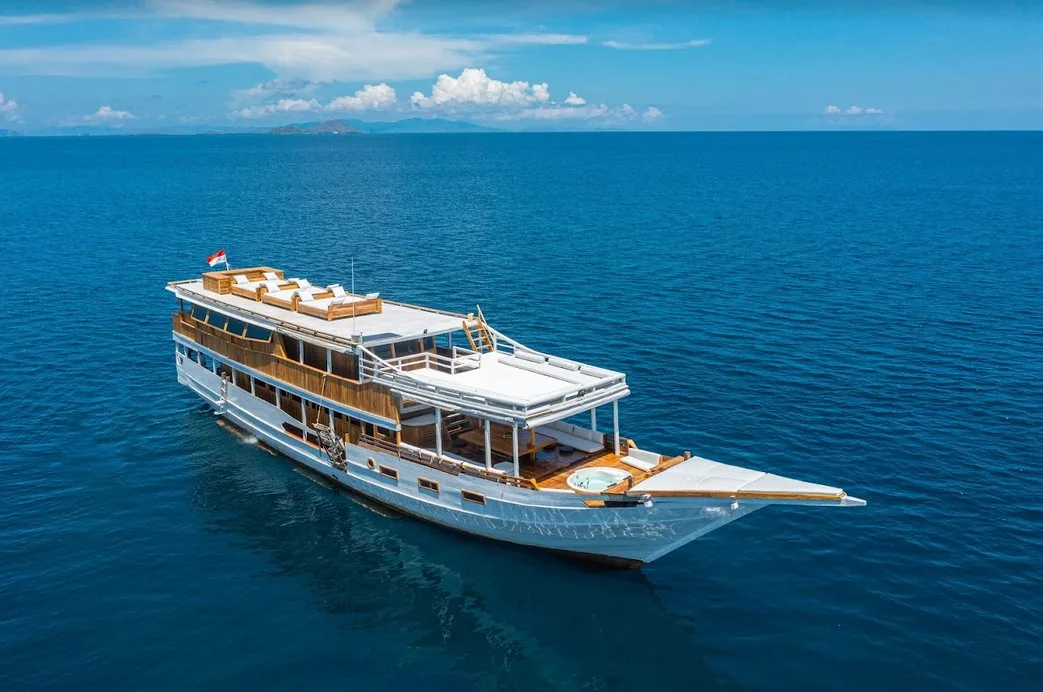
The air hangs heavy, thick with the scent of rain-soaked earth and the sharp, clean fragrance of freshly cut ironwood. A rhythmic drumming on the vast corrugated roof of a shipyard in South Sulawesi isn’t the sound of hammers, but the steady pulse of the afternoon downpour. Inside, the half-formed hull of a 50-meter Phinisi superyacht sits in silent repose, a testament to immense ambition temporarily held in check by the forces of nature. This is the reality of Indonesia superyacht construction, a world where multi-million-dollar project timelines are not just dictated by blueprints and manpower, but by the ancient, unyielding cycle of the monsoon.
The Rhythmic Pulse of the Archipelago: Understanding Indonesia’s Two Seasons
For those accustomed to the four distinct seasons of the northern hemisphere, the Indonesian climate is a study in powerful duality. The archipelago operates on a binary system: the dry season (musim kemarau) and the wet season (musim hujan). Broadly, the dry season spans from April to October, bringing with it sun-drenched days and ideal conditions for cruising the 17,000-plus islands. Conversely, the wet season arrives around November and can last through March, characterized by increased humidity, heavy rainfall, and stronger winds. According to Indonesia’s Meteorology, Climatology, and Geophysical Agency, cities like Jakarta can receive over 300 millimeters of rain in January, compared to a scant 50 millimeters in August. This isn’t just a bit of rain; it’s a fundamental environmental shift that redefines the landscape and the pace of life.
However, to paint the entire nation with a single brushstroke would be a mistake. The sheer scale of Indonesia—stretching over 5,000 kilometers from Sabang to Merauke—means regional variations are significant. While Bali and Java experience their heaviest rainfall from December to February, the Maluku Islands can have their wettest months in June and July. This meteorological complexity is something a master shipwright must understand intimately. It dictates not only the primary build location but the entire critical path of a project. As I learned from the project managers at Bali Yacht Builder, a premier builder of custom luxury vessels, their entire production schedule is choreographed around this climatic dance, a strategy essential for delivering a world-class yacht on time and on budget. Understanding this rhythm is the first step in appreciating the intricate challenges of building a floating masterpiece in the heart of the tropics.
From Forest to Frame: The Monsoon’s Impact on Raw Materials
The soul of an Indonesian-built Phinisi is its timber. We’re talking about legendary hardwoods like Ulin (Bornean ironwood) and high-grade teak, materials prized for their phenomenal density and natural resistance to the marine environment. The journey of this timber, from the remote forests of Kalimantan or Sulawesi to the shipyard, is the first and most critical phase of any build—and it is profoundly vulnerable to the monsoon. During the wet season, logging roads that are merely dusty tracks in July become impassable rivers of mud. Transporting a single, 25-meter ironwood log destined to be the keel of a superyacht can be delayed for months, a logistical paralysis that brings the foundational stages of construction to a standstill. This is a far cry from sourcing materials in Europe, where infrastructure is a given.
Even once the timber reaches the yard, the battle with moisture has just begun. The art of Phinisi building, a tradition recognized as an Intangible Cultural Heritage by UNESCO, relies on perfectly seasoned wood. High ambient humidity, which regularly hovers above 85% during the monsoon, dramatically slows the natural air-drying process. For structural integrity, the moisture content of the wood must be brought down to an exacting 12-15%. Attempting to build with “wet” wood is a cardinal sin; it will twist, check, and warp as it dries within the completed structure, compromising the entire vessel. A seasoned builder knows that rushing this stage is catastrophic. This patient, essential curing process can add three to five months to a project timeline during the wet season, a non-negotiable delay that ensures the yacht’s longevity for the next 50 years.
The Art of the Finish: Why Varnishing and Fairing Grind to a Halt
While the structural integrity of the timber is paramount, the superyacht designation is truly earned in the finishing. This is where a vessel transcends from a mere boat to a work of art. Two of the most critical processes in this phase are fairing the hull and applying the final layers of high-gloss varnish or paint. And both are utterly at the mercy of the weather. Fairing is the painstaking process of applying epoxy-based compounds to the hull and superstructure, then sanding them down to create a surface that is perfectly, flawlessly smooth. This “mirror finish” is what gives a superyacht its sleek, liquid lines. However, the epoxy compounds used are highly sensitive to humidity. If applied when the relative humidity is above a strict threshold, typically 75%, a chemical reaction called “amine blush” can occur. This creates an oily, waxy film on the surface, which prevents proper adhesion of subsequent layers and can ruin the final paint job. It’s a costly and time-consuming error to rectify.
Similarly, the application of marine-grade varnish, like the renowned Awlgrip or Alexseal systems that can cost upwards of $1,000 per gallon, is a form of high-stakes chemistry. These coatings require specific temperature and humidity ranges to cure—or “cross-link”—correctly. In the damp, heavy air of the monsoon, solvents evaporate too slowly from the varnish, causing it to remain tacky for extended periods, attracting dust and insects. Worse, moisture can become trapped within the layers, leading to a cloudy finish or microscopic blistering that may not appear for months. This is why the most reputable yards involved in Indonesia superyacht construction invest heavily in enormous, fully enclosed, and climate-controlled finishing sheds. These structures are more than just rain covers; they are industrial-grade clean rooms with powerful dehumidification systems, a necessary expense to ensure a flawless finish regardless of the deluge outside.
Supply Chains and Sea Trials: The Ripple Effect on Timelines
A modern superyacht is a global product built in a local setting. The hand-carved teak interior may come from Jepara, but the twin Caterpillar C32 engines are shipped from Illinois, the stabilization system from the Netherlands, and the navigation suite from Washington. The efficiency of the global supply chain is a critical component of the construction timeline, and the monsoon season introduces a significant degree of friction into this complex logistical equation. Rough seas, particularly in the Java Sea and the Makassar Strait, can delay container ships for weeks. Port operations in Jakarta or Surabaya can slow to a crawl during torrential downpours. A single delayed container holding, for example, the yacht’s custom-fabricated propeller shafts can create a domino effect, halting work on the entire drivetrain and pushing back the launch date by a month or more.
The final hurdle before handover is the sea trial, a comprehensive series of tests to ensure every system performs to specification, from engine output and maneuverability to noise and vibration levels. As any captain will attest, conducting meaningful sea trials requires a relatively calm sea state. Attempting to measure a vessel’s top speed or turning circle in the choppy, unpredictable waters common during a monsoon squall is not only impractical but unsafe. The period from December through February, often the peak of the wet season, is notoriously difficult for scheduling these crucial final checks. A builder may have the yacht technically “finished” and floating, but be unable to officially complete the commissioning process and hand over the keys to the owner until a suitable weather window appears, adding frustrating weeks of delay at the very end of the project.
The Builder’s Gambit: How Elite Yards Mitigate Monsoon Delays
The monsoon is not a surprise; it is a certainty. For the elite shipwrights of Indonesia, the season is not an excuse for delay but a fundamental parameter to be engineered around. This is what separates a professional operation from a provincial boat builder. The strategy begins with meticulous, long-range project management. A top-tier firm like bali yacht builder will map out a multi-year build schedule that aligns critical stages with the seasons. The goal is always to have the hull planked, decked, and sealed—creating a “weathertight” vessel—before the first heavy rains of November. This allows interior work, which constitutes over 50% of the total man-hours on a luxury yacht, to continue unabated throughout the wet season.
This foresight is backed by significant capital investment in infrastructure. As mentioned, climate-controlled finishing sheds are non-negotiable. These are often complemented by industrial dehumidifiers capable of extracting hundreds of liters of water from the air each day. Furthermore, premier yards invest in their own logistics, such as paved access roads and heavy-lift equipment, to minimize reliance on public infrastructure that may fail during severe weather. They also practice strategic sourcing, ordering long-lead items like engines or generators 12-18 months in advance and storing them in secure, dry warehouses. This creates a buffer against the inevitable shipping delays. This proactive approach is the hallmark of a world-class Indonesia superyacht construction project, transforming the challenge of the monsoon into a demonstration of mastery and control.
Quick FAQ on Indonesian Yacht Construction & Weather
What is the absolute best time to start a yacht build in Indonesia?
Ideally, the keel-laying ceremony and initial framing should commence in the early dry season, around April or May. This timing provides a solid six-month window of optimal weather to complete the main hull structure and get it under a roof before the wet season begins in earnest, maximizing efficiency from day one.
Does the monsoon affect the final price of the yacht?
Indirectly, it can. While the rain itself is free, mitigating its effects is not. A builder who has invested millions in enclosed sheds, dehumidification, and paved infrastructure will factor that overhead into their pricing. A significantly lower quote from another builder might indicate a lack of this critical infrastructure, exposing the project to a higher risk of costly delays and quality issues related to moisture damage.
Can any work continue during the peak of the monsoon?
Absolutely. Once a hull is sealed, a tremendous amount of work can proceed inside. This includes the installation of electrical systems, plumbing, engine room components, sound insulation, and all the intricate interior joinery and cabinetry. An efficient yard orchestrates the project so that these interior-focused tasks align with the wettest months of the year.
How much of a delay can the monsoon realistically add to a project?
For a poorly planned 45-meter build, the monsoon can easily add six to eight months to the timeline through a combination of material, finishing, and logistical delays. In contrast, a well-managed project by an experienced builder like those featured on indonesia.travel has already factored the seasons into the schedule, building in buffers and mitigating the worst effects to keep the project remarkably close to its original delivery date.
Ultimately, the monsoon is the great filter of the Indonesian marine industry. It separates those who merely build boats from those who craft world-class superyachts. It is a constant, powerful force that demands respect, foresight, and a deep, localized expertise that cannot be learned from a textbook. Navigating the complexities of a tropical build cycle requires more than just a blueprint; it demands a partnership with a builder who has mastered this unique environment. To see how a master craftsman turns the challenges of the seasons into a testament of quality and resilience, explore the portfolio of a premier bali yacht builder, where every vessel launched is a successful dialogue between human ambition and the timeless power of the elements.
Keep reading
Build Guides
2027 Bali Building Outlook: Catamarans Rise, Phinisi Endure
Bali enters 2027 with its boatbuilding order books in the healthiest shape of the decade. Four currents define the outlook:…

Build Guides
Build Timelines in Bali: Why Island Logistics Add Weeks, Not Months
The honest answer about Bali build timelines: island logistics add weeks to a well-run schedule, not months — and the…
Build Guides
The Two-Island Build: Hulls From Sulawesi, Fit-Out in Bali
Indonesia's most proven route to a large timber vessel is a two-island relay: the hull takes shape in the master…