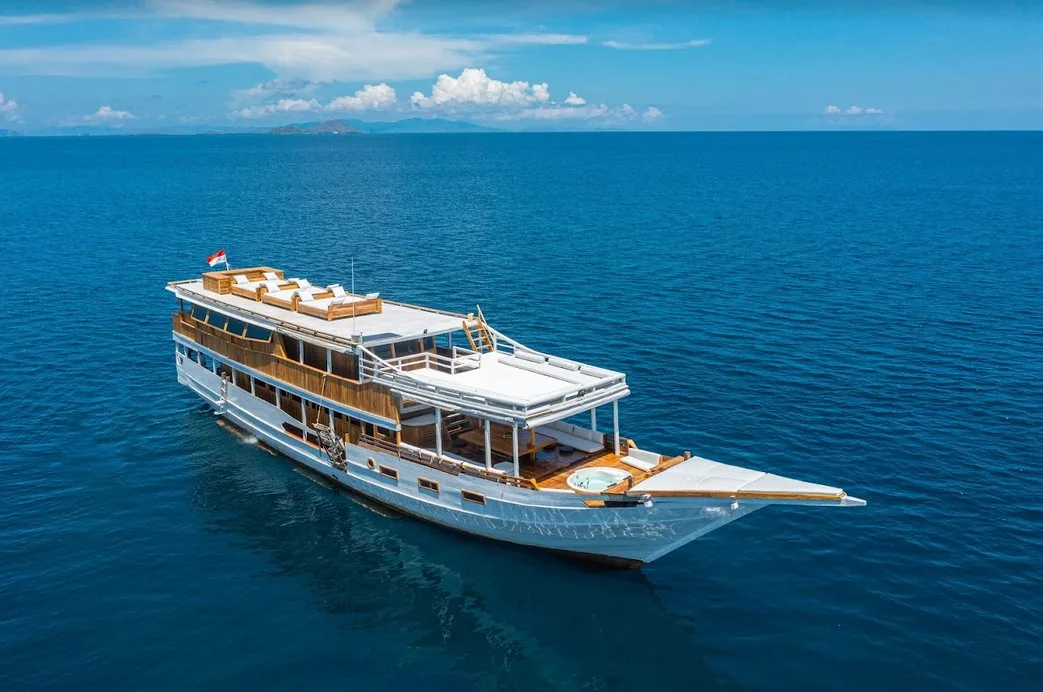
Luxury Phinisi Builders Indonesia: A 2024 Pricing and Value Guide
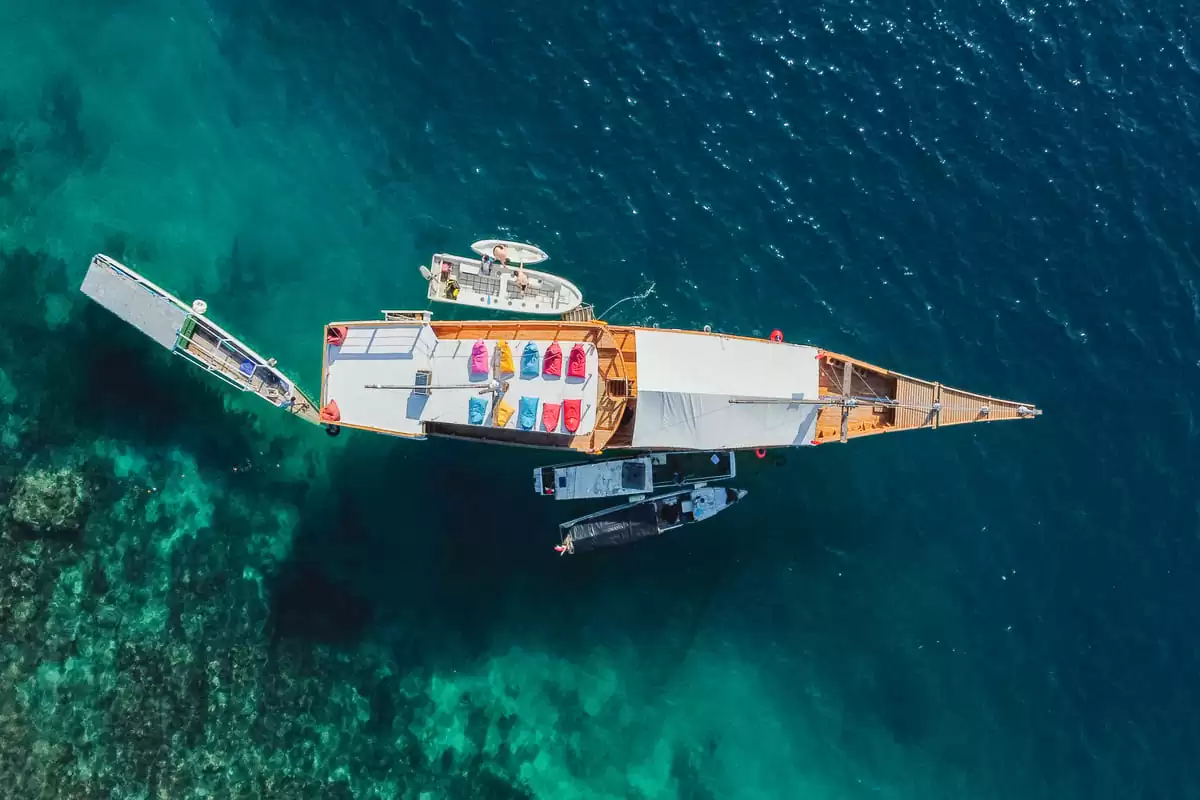
Updated: May 2026
- 2024 Pricing: A new custom-built luxury phinisi typically costs between $1.5 million and $5 million USD, contingent on size, materials, and interior specifications.
- Primary Value: The value lies in blending UNESCO-recognized craftsmanship with the potential for high-yield charter operations in destinations like Komodo and Raja Ampat.
- Build Process: Construction is a multi-stage process, often beginning with the hull in Sulawesi or Kalimantan and finishing in Bali over 18 to 36 months.
The air in the boatyards of Tanah Beru hangs thick and sweet with the scent of fresh-cut ironwood, mingling with the sharp tang of clove cigarettes. Here, under the relentless South Sulawesi sun, the rhythmic percussion of mallets striking wooden dowels is the region’s enduring soundtrack. This is not a historical reenactment; it is the living, breathing heart of Indonesian maritime heritage. You are watching a vessel being born, its ribs of timber rising from the sand in a form that has sailed these waters for centuries. Yet, this is not a spice freighter of old. This is the genesis of a modern superyacht, a vessel destined for the world’s most discerning travelers, and the domain of the world’s most unique craftsmen: the luxury phinisi builders Indonesia is famous for.
The Phinisi Renaissance: From Spice Trader to Superyacht
The story of the phinisi is a masterclass in cultural adaptation. For generations, the Bugis and Makassarese sailors of South Sulawesi commanded these magnificent vessels, their iconic gaff-ketch rigs a dominant sight across the archipelago, carrying cloves, coffee, and textiles. The art of building them, a tradition passed down through generations of the Konjo people, was recognized by UNESCO as an Intangible Cultural Heritage of Humanity in 2017. This designation wasn’t for a relic of the past, but for a living craft. The modern luxury phinisi is a direct evolution of this lineage. The transition began in the late 1980s and early 1990s, as intrepid foreign investors saw the potential to transform these sturdy cargo hulls into floating boutique hotels for dive charters. Today, the demand has reached a fever pitch. The global elite, seeking private, experience-rich travel in the wake of the pandemic, have identified the Indonesian archipelago—with its 17,508 islands—as the ultimate frontier. A private phinisi is the only key that unlocks its most remote treasures, from the dragon-prowled shores of Komodo to the otherworldly marine ecosystems of Raja Ampat, which boasts over 75% of the world’s known coral species.
Deconstructing the 2024 Price Tag: What Drives the Cost?
When clients ask me about commissioning a phinisi, the first conversation is always about the budget. A baseline for a 35 to 45-meter luxury phinisi in 2024 starts around $1.5 million and can easily climb past $5 million. The variables are immense. The very soul of the vessel, its hull, is typically crafted from kayu ulin (ironwood) and kayu jati (teak). Legally sourced, high-grade ironwood from Kalimantan now costs upwards of $1,800 per cubic meter, and a 40-meter phinisi can require over 250 cubic meters of timber for its frame and planking alone. This initial phase, the hull construction, can represent 25-30% of the total cost. The next significant expense is the marine engineering. Western systems are non-negotiable for a luxury charter vessel. Twin Caterpillar or Yanmar marine diesel engines, multiple generators, state-of-the-art water makers, and comprehensive navigation suites from brands like Garmin or Furuno are imported and subject to significant duties. This mechanical and electrical package can easily account for another 30% of the budget. The final, and most elastic, component is the interior fit-out. This is where a project’s budget can truly soar. Sourcing Italian marble for en-suite bathrooms, commissioning custom furniture in Bali, installing a professional galley, and integrating sophisticated AV systems can double the cost of the vessel’s shell. A trusted partner like a premier Bali yacht builder is essential for navigating these costs with transparency.
The Triumvirate of Indonesian Boatbuilding: Bira, Batulicin, and Bali
Understanding where a phinisi is built is to understand its very DNA. The process is rarely confined to a single location; it’s a logistical ballet across the archipelago. The journey begins in South Sulawesi, in the villages of Tanah Beru and Bira. This is the spiritual home of the craft, where Konjo builders shape the hull directly on the beach, using techniques that rely on intuition and experience rather than detailed blueprints. I once watched a master builder, a man named Haji Abdullah, sight along a plank of ironwood, his eye the only tool required to ensure a perfect fit. The second critical location is Batulicin in South Kalimantan, a major source of the prized ironwood and a hub for larger-scale hull construction. Some of the biggest phinisi hulls, those exceeding 50 meters, are laid down here in more industrial-style yards. Once the hull and basic superstructure are complete—a process taking 9 to 12 months—the vessel is towed, often thousands of kilometers, to its finishing yard. This is almost always in Bali. Bali is the nexus of the luxury component. It’s where sophisticated project management, interior design talent, and access to a global supply chain for high-end materials converge. This is where the raw, powerful soul of the Sulawesi-built hull is dressed in the refined elegance of a world-class yacht, a process expertly managed by firms specializing in custom phinisi construction.
Vetting Your Builder: Questions to Ask Before Committing Millions
The romance of building a phinisi can quickly sour without the right partner. The landscape is littered with stories of projects gone wrong. Based on conversations with over a dozen successful phinisi owners and project managers, a few key points of due diligence are critical. First, demand a portfolio and speak with previous clients. Ask for the hull numbers of their last three to five launches. Where are those boats now? Are they operating successfully on the charter market? Second, scrutinize their project management and communication protocol. Who is your day-to-day contact? Will you receive weekly photographic updates and budget reports? A language barrier can mask a world of problems. A Western-managed, Bali-based builder provides an invaluable bridge. Third, insist on absolute transparency in material sourcing. Demand to see the SVLK (Sistem Verifikasi Legalitas Kayu) certification for all timber, ensuring it’s legally and sustainably harvested. You should also be able to review original invoices for major imported equipment like engines and generators. Finally, the contract must be ironclad, with a clear milestone-based payment schedule. A typical structure is 30% to start, followed by five to six further payments tied to specific, verifiable construction targets. Engaging a reputable maritime lawyer in Indonesia is not a recommendation; it is a necessity.
The ROI of Romance: Phinisi as a Charter Investment
While the allure of creating a bespoke vessel is a powerful emotional driver, the decision to build is often underpinned by a solid business case. The charter market in Indonesia is one of the strongest in the world. According to data from the Indonesian Ministry of Tourism and Creative Economy, marine tourism is a top priority for national growth. A well-designed 6-cabin luxury phinisi, sleeping 12 guests, can command charter rates between $50,000 and $120,000 per week during the peak seasons in Komodo (June-September) and Raja Ampat (November-March). A professionally managed and marketed yacht can realistically aim for 22-26 weeks of charter per year. The gross annual revenue can therefore exceed $1.5 million. Of course, operational expenditures (OPEX) are significant. These include crew salaries for a team of 10-18 people, fuel, insurance, maintenance, and provisions, typically running at 8-12% of the yacht’s initial value per year. A 20% commission for a central charter agent is also standard. Even with these costs, a net yield of 5-8% is achievable, making it a competitive return alongside the unparalleled lifestyle benefits. The true value is owning a floating private estate in the heart of the Coral Triangle, an asset that provides both financial returns and priceless experiences. The expertise of a seasoned phinisi construction team is vital to building a vessel that meets the exacting standards of this high-end charter market.
Quick FAQ: Your Phinisi Build Questions Answered
How long does it really take to build a luxury phinisi? For a high-specification vessel between 40-50 meters, a realistic timeline is 24 to 36 months from contract signing to launch. The traditional hull construction in Sulawesi might take 9-12 months, but the complex interior fit-out and technical installations in Bali consume the majority of the time. Rushing the process is the number one cause of quality issues.
What is the difference between a traditional and a modern phinisi? A traditional phinisi, as detailed on Wikipedia, was a pure sailing cargo ship with no engine and basic living quarters. A modern luxury phinisi is a “motorsailer.” While it retains the iconic two-masted aesthetic, it relies on powerful diesel engines for primary propulsion. Its construction integrates modern naval architecture, often with a steel sub-frame for rigidity, and features amenities like air-conditioned cabins, desalination plants, and dive compressors, making it a true superyacht.
Do I need to be in Indonesia during the build? Constant presence is not required if you partner with the right builder. The most successful projects involve owners visiting the site at key milestones—perhaps every 3-4 months. This is where a full-service firm like Bali Yacht Builder adds immense value, acting as the owner’s representative on the ground, providing meticulous reporting and ensuring the vision is executed flawlessly.
What are the legalities of owning and flagging a phinisi for charter in Indonesia? It is a complex but well-trodden path. To operate commercially in Indonesian waters, as promoted by portals like indonesia.travel, the vessel must be Indonesian-flagged. For foreign owners, this is typically achieved by establishing a foreign investment company (a PT PMA). This legal structure allows for foreign ownership while complying with local cabotage laws. Expert legal and tax advice from a firm specializing in Indonesian maritime law is essential from day one.
The journey of creating a luxury phinisi is as epic as the voyages it will one day undertake. It is a path that requires patience, significant capital, and a deep appreciation for a unique cultural craft. It is not merely a construction project; it is the commissioning of a legacy, a vessel that bridges ancient tradition with contemporary luxury. Embarking on this journey requires a partner who understands both the soul of Indonesian boatbuilding and the uncompromising standards of the global elite. For those ready to translate a vision into a vessel, the team at Bali Yacht Builder represents the pinnacle of this craft, offering turnkey solutions from initial concept to final, triumphant launch.
Keep reading

Cost & Decisions
Pricing a Bali Custom Build: Labour, Materials and the Island Premium
The price of a custom build in Bali is set by four forces: labour (the island's skilled rates are competitive…
Cost & Decisions
Importing Materials Through Benoa: Duties on Build Components
Most of the high-value components in a Bali-built boat — engines, resin systems, rigging, electronics, deck hardware — arrive by…
Cost & Decisions
Indonesian Customs Clearance for Yachts: Import Duty, Export and Temporary Stay
Indonesian customs treats a yacht in one of three ways: an import (duty and taxes due), an export (a new…