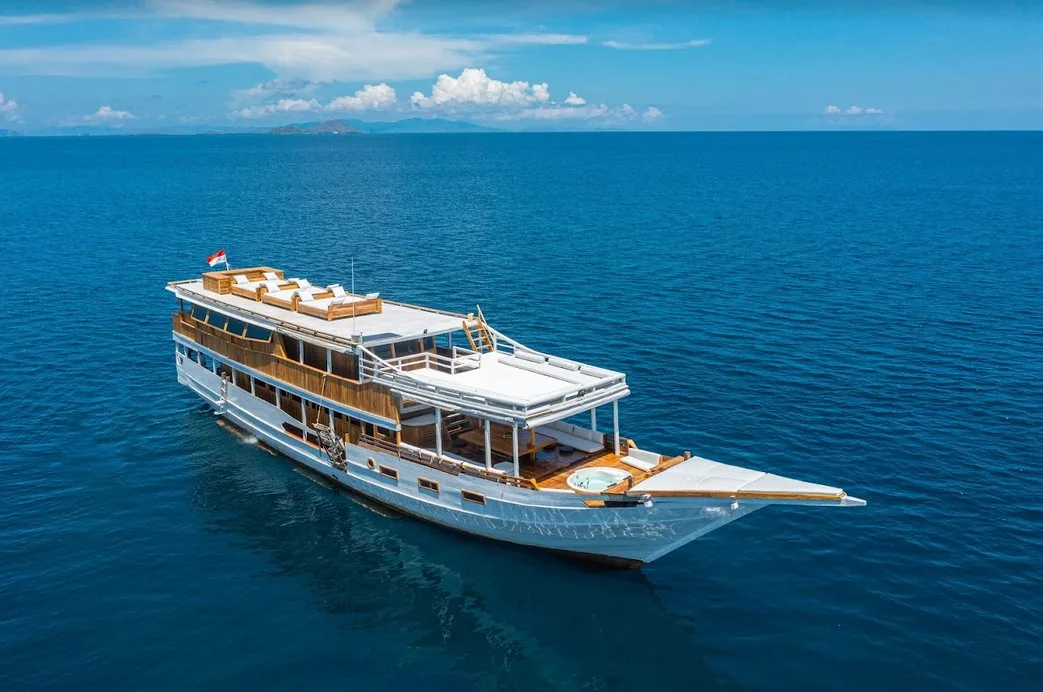
When Is the Best Time for Custom Yacht Construction in Bali?

Updated: May 2026
- Optimal Weather: Minimal rainfall and lower humidity prevent work delays and allow for superior wood seasoning.
- Stable Supply Chain: Calm seas ensure consistent inter-island shipping of essential materials like Sulawesi ironwood.
- Client Involvement: Aligns with Northern Hemisphere summer holidays, facilitating crucial on-site visits for owners.
The air in the shipyard, a sliver of land on the Serangan coast, is thick with the scent of raw ironwood, clove cigarettes, and the salt of the Bali Sea. The rhythmic tap-tap-tap of a hundred adzes shaping timber provides a constant percussion, a sound that has echoed across these islands for centuries. This is the living, breathing heart of Indonesian maritime heritage, where raw lumber is transformed into vessels of profound character. As an editor for Departures, I’ve witnessed the genesis of luxury chalets in Gstaad and bespoke automobiles in Modena, but there is a particular magic here. The question I’m most often asked by prospective owners isn’t about design or materials, but one of pure logistics and timing: When, precisely, is the right moment to embark on the journey of a custom yacht construction in Bali?
Decoding the Calendar: Beyond the Tourist Seasons
Most associate Bali’s calendar with tourism—the high season from June to August, the shoulder months, and the wet season. For a project as significant as building a custom phinisi or luxury catamaran, this calendar is far too simplistic. The true timeline is governed by the ancient rhythm of the monsoons. Bali has two distinct seasons: the musim kemarau (dry season), typically running from April through October, and the musim hujan (wet season), from November to March. The dry season is unequivocally the golden window for the most critical phases of construction. During months like August, Denpasar might see a mere 90 millimeters of rainfall, whereas in January, that figure can surge past 350 millimeters. This isn’t just about keeping the craftsmen dry; it’s about the integrity of the vessel itself. High humidity, a hallmark of the wet season, can impede the crucial wood curing and seasoning process. A premier Bali yacht builder knows that laying the keel or planking the hull during the relentless downpours of December is a risk to the timber’s long-term stability. The dry season guarantees fewer work stoppages, a more predictable schedule, and most importantly, an environment where the hand-selected woods can acclimate and settle perfectly, ensuring a stronger, more resilient hull for decades to come.
The Rhythm of the Tides: Material Sourcing and Logistics
A yacht born in Bali is a vessel of the entire archipelago. The soul of a traditional phinisi lies in its timber, and that timber does not grow on the terraced hills of Ubud. The finest, most durable woods—Ulin (ironwood) and Teak—are sourced from the ancient forests of Kalimantan (Borneo) and Sulawesi. This introduces a critical logistical layer to the construction timeline. The journey of this precious cargo across the Java Sea and Makassar Strait is entirely at the mercy of the weather. From December to February, the peak of the wet season, seas can be treacherous, disrupting inter-island ferry and cargo schedules for weeks at a time. According to Indonesia’s geography as an archipelago of over 17,500 islands, this maritime network is its lifeblood. A delay in a single shipment of Ulin for the keel can create a domino effect, pushing the entire project timeline back by a month or more. Therefore, the most astute planning for a custom yacht construction in Bali involves a counter-intuitive strategy. Initiating the design and procurement phase in the late wet season (February/March) allows your build team to secure and stockpile the necessary timber just as the dry season begins, ensuring a seamless start to the physical build without vulnerability to the whims of the sea. A single 35-meter luxury phinisi can require over 120 cubic meters of select-grade timber; securing this volume is the first, and most important, strategic move.
The Human Element: Aligning with the Artisan’s Calendar
In my conversations with I Made Dharma, a third-generation shipyard manager, he emphasized a point often overlooked by international clients. “The boat is built by hands, not just by a schedule,” he told me, gesturing to his team of craftsmen from Sulawesi and Madura. “Their lives have a rhythm, and we must respect it.” The project timeline is deeply intertwined with Indonesia’s rich cultural and religious calendar. The most significant period is the month of Ramadan, culminating in the Eid al-Fitr (or Lebaran) holiday. During this time, a vast majority of the skilled laborers—the tukang—will participate in the annual mudik, a mass exodus from urban centers back to their home villages across the archipelago. This is not a mere long weekend; it can be a three-to-four-week event that brings nearly all industrial work to a standstill. In 2023, the Indonesian government reported that over 193 million people participated in the mudik. Starting a major construction phase in the weeks leading up to Ramadan is strategically unsound. A savvy project manager will plan for this pause, scheduling tasks like design finalization, interior planning, or systems procurement during this period, while ensuring the heavy timber work is scheduled for uninterrupted blocks of time. Furthermore, Bali’s own Hindu holidays, such as the serene Nyepi (Day of Silence) and the celebratory Galungan and Kuningan festivals, also involve several days of observance where work ceases. A truly expert Bali yacht builder doesn’t fight this current; they navigate it, building a schedule that honors cultural traditions while maximizing efficiency.
Your Vision, Your Visits: The Client’s Role in the Timeline
The creation of a custom yacht is not a transaction; it’s a deeply personal collaboration. The owner’s presence and input at key stages are not just welcome—they are essential. The optimal time for construction must, therefore, align with the optimal time for your visits. Here again, the dry season, particularly from June to September, proves ideal. This period coincides with the summer holidays in Europe and North America, allowing clients to spend substantive time in Bali without contending with academic or corporate calendars. The experience of walking the shipyard under clear blue skies, feeling the texture of the timber that will form your master suite, and discussing the fine points of the galley layout with the lead craftsman is an irreplaceable part of the journey. The weather is temperate, with average temperatures around 27°C (81°F), making site visits and local travel comfortable. This is also when Bali is at its most accessible, with international airlines often increasing flight frequency to Ngurah Rai International Airport (DPS) by as much as 20% to meet tourist demand. Engaging with one of Bali’s premier custom phinisi and luxury catamaran specialists means a partnership, and that partnership flourishes when you can be on the ground, witnessing your vision take shape, decision by decision. The ability to host these crucial in-person meetings during pleasant conditions is a significant, if often underestimated, factor in the success of a project.
The Financial Horizon: Budgeting and Seasonal Considerations
While the romance of boat building is compelling, the fiscal realities are just as important. The timing of your build can have subtle but significant impacts on the overall budget and cash flow. While the cost of elite craftsmanship in Bali remains remarkably stable, the price of raw materials can fluctuate. Securing your full timber order at the beginning of the dry season can insulate your budget from potential price increases caused by mid-season demand or unforeseen logistical hurdles during the following wet season. A project spanning 18 to 24 months will have a payment schedule tied to specific construction milestones: keel laying, hull completion, engine installation, and final fit-out. Aligning these major milestones with the high-productivity months of the dry season ensures a smooth and predictable draw-down schedule. An experienced builder will structure the contract this way, providing financial clarity and minimizing the risk of funding delays impacting progress. Furthermore, while most high-end contracts are quoted in U.S. Dollars or Euros, local procurement and labor are paid in Indonesian Rupiah (IDR). While not a primary driver, being mindful of exchange rate trends can be beneficial, particularly for clients funding the project from non-USD accounts. As noted by the experts at Indonesia’s official tourism board, planning is key to a successful experience in the country, and this principle applies tenfold to a major investment like a custom yacht construction in Bali.
Quick FAQ
What is the absolute ideal start date for a custom yacht build in Bali?
The strategic sweet spot is to sign contracts and finalize designs around September or October. This allows your build team to use the early wet season for detailed planning, engineering, and materials procurement, positioning them to lay the keel and begin major hull construction the moment the dry season begins in April.
Can construction happen during the wet season?
Absolutely. While major hull planking and outdoor work may be slowed by heavy rain, a great deal of progress continues. Interior fabrication, systems engineering, cabinetry, and metalwork all proceed under cover in the workshops. A proficient bali yacht builder meticulously plans the workflow to maximize indoor tasks during these months.
How long does a typical custom yacht construction in Bali take?
The timeline is highly dependent on the vessel’s size and complexity. A 30 to 40-meter luxury phinisi, built using traditional methods but with modern superyacht systems, typically requires 18 to 24 months from the first cut of timber to its ceremonial launch.
Does the timing affect the quality of the build?
With a world-class team, the final quality is non-negotiable, regardless of the season. The difference lies in the efficiency and stress of the process. A well-timed project flows smoothly, whereas a poorly timed one requires constant mitigation of weather and logistical delays. The goal of proper timing is to protect both the schedule and the integrity of the materials, ensuring a flawless outcome.
Ultimately, choosing when to begin your yacht’s journey is the first of many crucial decisions. It is a strategic choice that harmonizes with the natural cadence of the archipelago, the cultural heartbeat of its people, and the practical demands of your own life. The “best time” is not a single date, but a well-planned season that sets the stage for a smooth, efficient, and deeply rewarding process. The result is more than a vessel; it is a legacy, born of ancient tradition and modern vision. To begin the conversation about your own masterpiece, a floating heirloom reflecting the unique maritime patrimony of Indonesia, I recommend you connect with the master artisans at Bali Yacht Builder today.
Keep reading
Build Guides
2027 Bali Building Outlook: Catamarans Rise, Phinisi Endure
Bali enters 2027 with its boatbuilding order books in the healthiest shape of the decade. Four currents define the outlook:…

Build Guides
Build Timelines in Bali: Why Island Logistics Add Weeks, Not Months
The honest answer about Bali build timelines: island logistics add weeks to a well-run schedule, not months — and the…
Build Guides
The Two-Island Build: Hulls From Sulawesi, Fit-Out in Bali
Indonesia's most proven route to a large timber vessel is a two-island relay: the hull takes shape in the master…